I never thought I’d be the type who gets into growing hosta, but here I am. I’ve often shared stories about Mr. Hoffman, my childhood gardening mentor who lived next door to us. He had a small hosta garden planted next to our driveway. The bluish tint to the leaves, the tall stalks tubular flowers that attracted hummingbirds…it fascinated me. Years later, I got to plant my own little hosta garden.
Unfortunately, as I found out the hard way, hosta are what I called “deer candy.” Deer LOVE them. And I mean, love them to the point of coming right up to my back deck to nibble on them. Their love of hosta overcame their fear of people, and they managed to eat several mature plants down to the roots. Fortunately, what you’ll learn when growing hosta is that they are fairly resilient plants. And, you also learn to plant them in spots so close to the house that deer will rarely get to them. Since that one time, the does haven’t come back.
I’ve put together this guide to growing hosta, with an emphasis on growing it in Zone 7B, Virginia. But my tips will work anywhere. If you need hardy plants for shade, and you live in a place with good rainfall (or at least no water restrictions), hosta is a marvelous plant to liven up your landscape.
Table of contents

Growing Hosta: A How-To Guide
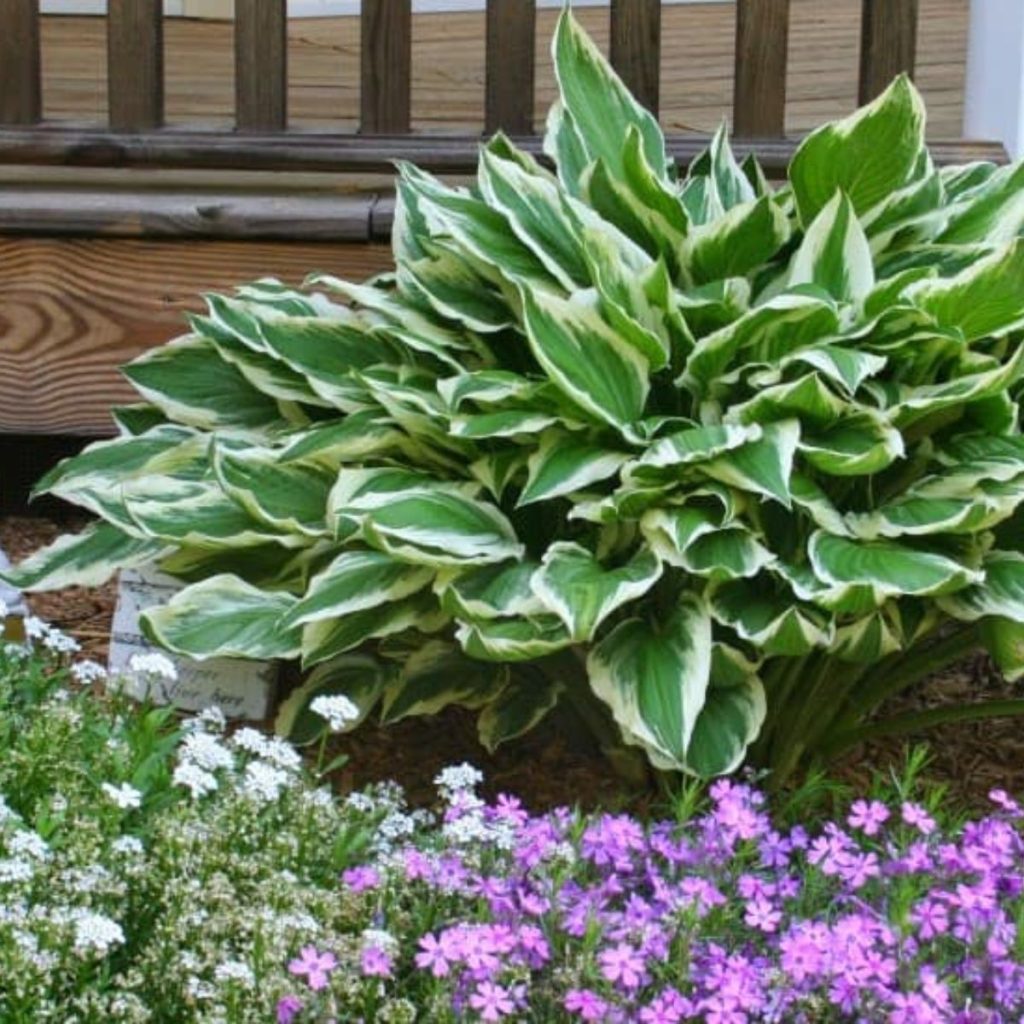
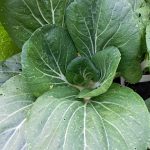
Hosta is a herbaceous perennial plant grown for their colorful foliage. They’re a shade-tolerant plant, which makes them very great for suburban homeowners who have shade areas such as landscapes along the north side of a home where few things grow. Like so many popular landscape plants, hosta originates from Asia – specifically China, Japan, and Korea. While most people grow them for their colorful foliage, many cultivars do produce tall spikes of bell-shaped flowers in colors ranging from white to purple. I’ve found that hummingbirds like hosta flowers, and so they do attract hummingbirds to the garden.
Over 2,500 Cultivars Worldwide
There are over 2,500 cultivars on the worldwide market today. I’ve heard of gardeners going so crazy over hosta that they try to amass collections of them, and I’ve seen photographs of hosta gardens that will take your breath away. The foliage looks so cool and inviting. A bank of hosta growing in the shade always makes me want to lay down on the cool shadows and enjoy a summer’s day without a care in the world.
Growing Hosta: Site Selection
Hosta, however, does require some care, so “know before you grow” and choose your spot carefully if you want to grow them in your yard. As mentioned before, they’re deer candy as I like to call them. I planted hosta in a shade garden on the edge of the woods and they grew beautifully – for about a month. Then one morning I went out to visit my garden and every single one was eaten down to stubs. As soon as they grew an inch or two, the same overnight phenomenon would occur, and they’d get eaten to the quick. Eventually, I moved the survivors close to the house, where along with new hosta purchased from the garden center, they make an attractive, welcoming landscape plant.
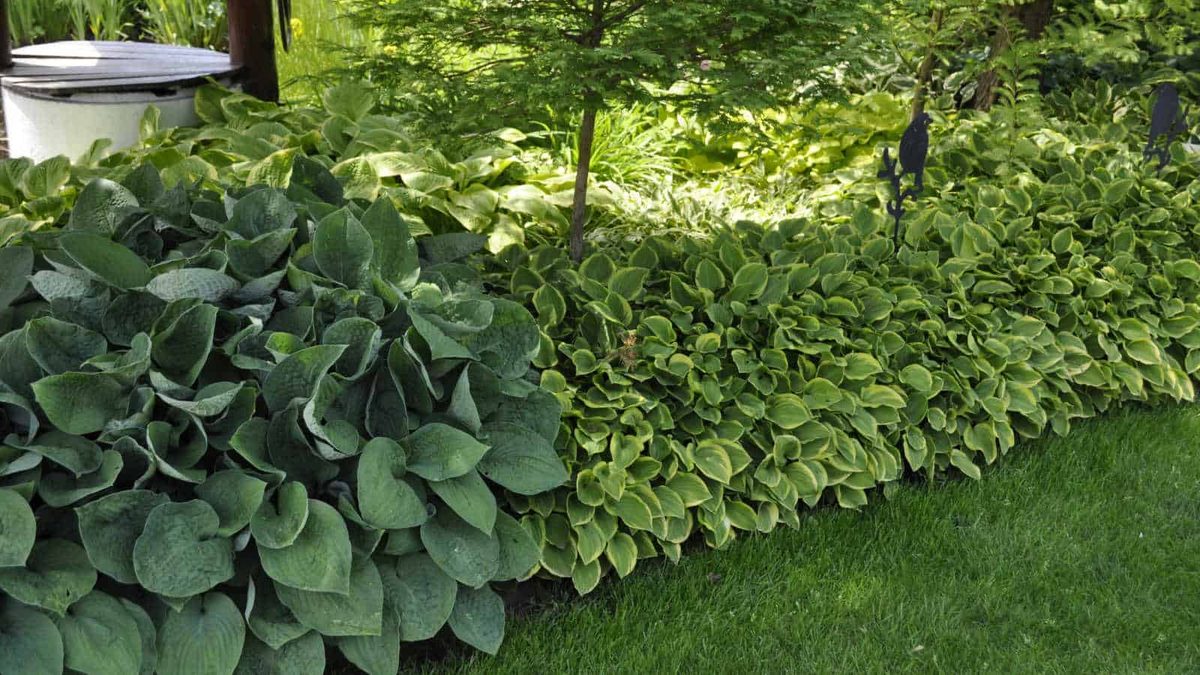
If you aren’t concerned with deer (as I was not when I lived in a suburb on Long Island, New York), you can choose your site with a bit more freedom. Hosta is shade tolerant, which I’ll discuss, below. You can plant is on the shady side of a home or garage, or under a deciduous tree to make a lush, vibrant planting. I love the look of a hosta ‘meadow’ with a big carpet of its green or bluish-green leaves. As long as the soil is relatively fertile, and you keep the area moist, hosta should grow.
Soil Needs
Hostas grow best in rich, fertile soil that contains plenty of organic matter and drains well while still retaining moisture. They prefer a loamy soil that is consistently moist but not waterlogged, as poorly drained or soggy soils can lead to root and crown rot. Hostas thrive in slightly acidic to neutral soil, with an ideal pH range of about 6.0 to 7.0. Before planting, gardeners often improve the soil by adding compost, leaf mold, or well-rotted manure, which enhances soil structure, nutrient content, and moisture retention. Proper soil conditions help hostas develop strong root systems and produce the large, healthy foliage which homeowners love.
Fertilizer and Compost
Hostas are not heavy feeders, but they benefit from regular fertilization to produce large, healthy leaves and vigorous growth. A balanced fertilizer, such as a slow-release 10-10-10 or 12-12-12 formulation, is typically recommended and should be applied in the spring as new shoots begin to emerge from the soil. Nitrogen is especially important because it promotes lush foliage growth, while phosphorus supports root development and potassium improves overall plant health and disease resistance.
Compost or other organic matter can also provide many of the nutrients hostas need and may be sufficient in fertile soils. Fertilization is generally continued through late spring and early summer, but it should be stopped by midsummer to avoid encouraging tender new growth that may be damaged by frost later in the season.
Light Requirements
Hosta is shade-tolerant, which doesn’t mean they prefer shade. They can grow in almost any light condition from full sun to partial shade. I prefer them in a spot that receives at least three hours of sunlight a day. Dappled sunlight seems to be fine, which is probably why many homeowners plant them under trees.
The general guideline is that the darker the hosta leaf, the more shade it actually needs. The beautiful hosta with blue-green leaves tends to need the most shade, while the bright white and gold-toned ones can withstand more sunlight.
Watering
Hostas need regular watering to stay healthy. They grow best in soil that is moist but not soggy. Water deeply when the soil begins to dry. Newly planted hostas need more water than established plants. Most hostas need about 1 inch of water each week. Mulch helps the soil stay moist and cool. Avoid overwatering, as it can cause root rot and other diseases.
Pests and Diseases That Affect Hosta Plants
Hosta is fairly resilient in most gardening zones, but it can be affected by several diseases. It is also a favorite snack of slugs and snails as well as deer.
Fungal Diseases Affect Hosta Leaves
Fungal diseases are among the most common health problems affecting hosta plants. Diseases such as anthracnose, petiole rot, crown rot, and Fusarium root and crown rot are caused by fungi. It thrives thrive in warm, moist conditions. These diseases can produce symptoms including brown or tan leaf spots, yellowing foliage, wilting, rotting stems, and the sudden collapse of leaves.
Anthracnose typically appears as brown spots with darker borders on the leaves. Petiole and crown rot attack the base of the plant, causing leaves to wilt and fall over. Fusarium root and crown rot affects the roots and crown, leading to stunted growth and plant decline. Good garden sanitation, proper spacing for air circulation, well-drained soil, and avoiding excessive watering can help reduce the risk of fungal infections.
Snails and Slugs on Hosta Leaves
Other problems you may encounter with hosta are from slugs and snails. Slugs and snails can be countered with beer traps if you don’t mind leaving them a little drink at the bottom of a beer bottle or a pan. Slugs crawl in, but they can’t get out. My favorite slug treatment, however, is diatomaceous earth. This is a powder that’s lethal to slugs but safe to use around wildlife and pets.
Deer Love Hosta, Too
Deer are one of the most common pests of hosta plants because they are highly attracted to the plants’ tender, leafy foliage. A deer can consume large portions of a hosta or even strip an entire plant down to its stems in a very short time. The damage is often easy to recognize, as deer leave behind torn, ragged leaf edges rather than clean cuts.
Remember my deer candy comment? Many gardeners protect their plants with fencing, deer repellents, or motion-activated sprinklers to prevent damage and keep their plants healthy. Or, like me, you can plant them as close to the house as possible and cross your fingers. In the 20 years that I’ve been growng hosta in my rural Virginia yard, we’ve only had one season where a deer came right up to the house to eat them.
Caution: Hosta Is Poisonous to Pets
One last note about pets and hosta. Hosta is poisonous to dogs, cats and horses, according to the ASPCA, so keep your garden plants in an area where your critters won’t get into trouble.
This post was originally written in May 2014. It was lightly updated in May 2026, then heavily updated with new text and pictures in November 2026.


Odd that they are toxic to household pets and not to deer. Never grown them on the odd occasion I have had anywhere to do so. The do look good.
We had this plant in our farm for selling when I was young but never know that it is called as “Hosta” .We call it differently.Nice to know about its characteristics. Learning a lot about plants and gardening from you each week. Thank you, Jeanne 🙂
You made my day, Sahana! I love it when I can share my love of gardening with others. We learn by sharing.
Those are beautiful plants! Wish they would grow here in AZ! :/ #HomeMattersParty
Jeanne, I love that hosta plant it’s beautiful! You’ll be glad to know that I started a tiny garden this past weekend! Thank you so much for all of your informative posts, they are really encouraging! #HomeMattersParty