Vegetable gardens require friable (loose), rich soil to grow health vegetables. The soil on your property may or may not be good for vegetables.
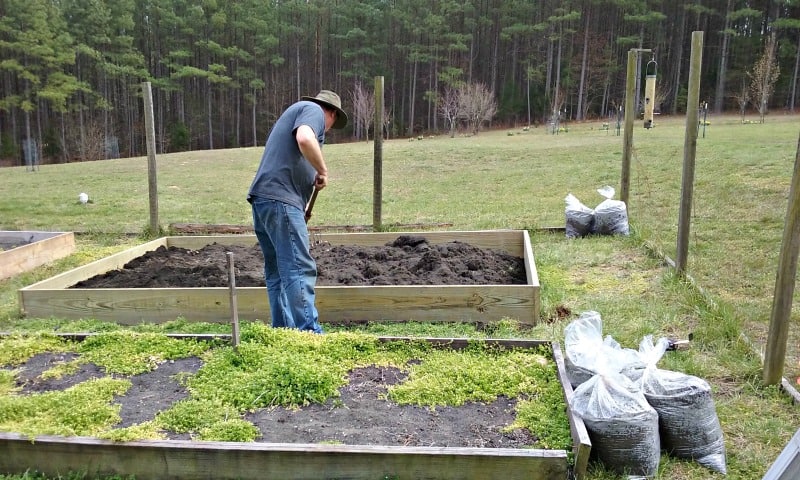
I chose to build raised beds on my property here at Seven Oaks because the soil here is so poor. The base is Virginia red clay mixed with pockets of sand and a lot of rocks. The farm was originally used to grow tobacco, which saps most of the nutrients from the soil, and over time, loblolly pines were grown for the timber industry, which acidified the soil. When I had the soil tested in 2005, the lab called me to ask where it was from – they had never seen soil so lifeless and devoid of nutrients. Yes, it took a long time to get anything to grow here other than weeds or trees.
Why Garden with Raised Beds?
Raised bed gardens allow you to start your vegetable garden with a “clean slate” so to speak. You can add whatever soil you want in the beds and mix amendments in to really baby your vegetables. Most vegetables prefer a soil pH of around 6.5, and you can obtain that more easily in the confined space of a raised bed than you can in the large, open garden space of a ground-planted vegetable garden.
How Much Soil Will You Need for Raised Bed Gardens?
Before we talk about the kinds of soil available for your raised bed vegetable garden, let’s look at how much soil you’ll need for each bed. That amount may dictate your choices to some degree, since you may need to buy soil and other amendments, and if you need a lot, the costs can add up quickly.
There’s a free calculator available on Gardener’s Supply website, so you can enter in the dimensions of your raised bed vegetable garden and calculate how much soil you will need for each bed. Access the calculator on Gardener’s Supply Company‘s website.
Types of Soil for Raised Bed Gardens
There are many types of soil available for your raised bed garden. You can purchased bags of soil at your local garden center, but if you are building a large garden (as I did) from scratch, it may make better sense financially to have a truckload of soil brought in.
The drawback is that you will then have to add your own time and labor to move it from the dump site into the beds. The truck can’t dump it into the individual beds for you. Most trucks will dump the load of soil at a location they can access easily from your driveway, and that’s it. Keep that in mind if you do go that route. We ordered a half dump truck load of soil for our beds, and it took a few weekends of hard work to move it from the dump site into the garden. It was a great workout, but a lot of work!
What Soil Is Best for a Raised Bed?
Bagged Soil
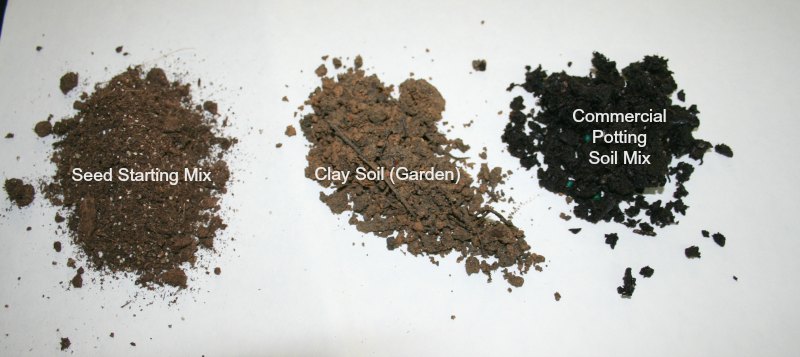
You can find bags of soil at your local garden center: potting soil, garden soil, topsoil. What’s the difference? Potting soil is usually sterilized, because it’s meant to use indoors for house plants. Many potting soil mixes include vermiculite, which looks like white pellets inside the soil. This is a harmless natural substance that adds air and drainage to the soil mix. Garden soil may contain a mix of clean soil and compost. Top soil is usually just plain old bagged dirt, and may vary greatly in quality from what you expect. Potting soil isn’t a great choice for an outdoor garden due to the expense; garden or top soil can work if you mix in a lot of compost.
Mushroom Soil
Mushroom soil is like the gold standard of soils and is great, albeit expensive, for vegetable gardens. Mushroom farmers grow mushrooms on wood or other medium, and when the mushroom harvest is done, a rich, crumbly mix called mushroom soil is leftover. It contains a great amount of nutrients and is a good choice for vegetable gardens, although some sources say it contains salt. You may want to mix it in with other types of soil.
Compost and Soil
My garden soil came from the local paper plant. We have a lot of paper mills around here near the James River, and one of the by products of paper milling is the black, crumbly mix from the milling process. We purchased truckloads of this composted soil, and added bags of garden top soil from the local store as well as peat moss, composted cow manure from a local farm, and compost from our own compost pile. We had the soil tested after that because our tomatoes ended up with a lot of blossom end rot; the pH was too low, and the tomatoes probably couldn’t take up enough calcium from the soil. An application of lime fixed this problem.
Good Soil Equals Healthy Plants
Choosing the soil for your raised beds can be the most challenging, and yes, expensive part of building a raised bed garden. But the right choice and investment in your soil goes a long, long way, and helps your garden grow healthy and strong. With the right nourishment, you can grow a bumper crop of many delicious vegetables, and nourishment starts with great soil.
[…] Soil for Raised Bed Vegetable Gardens […]