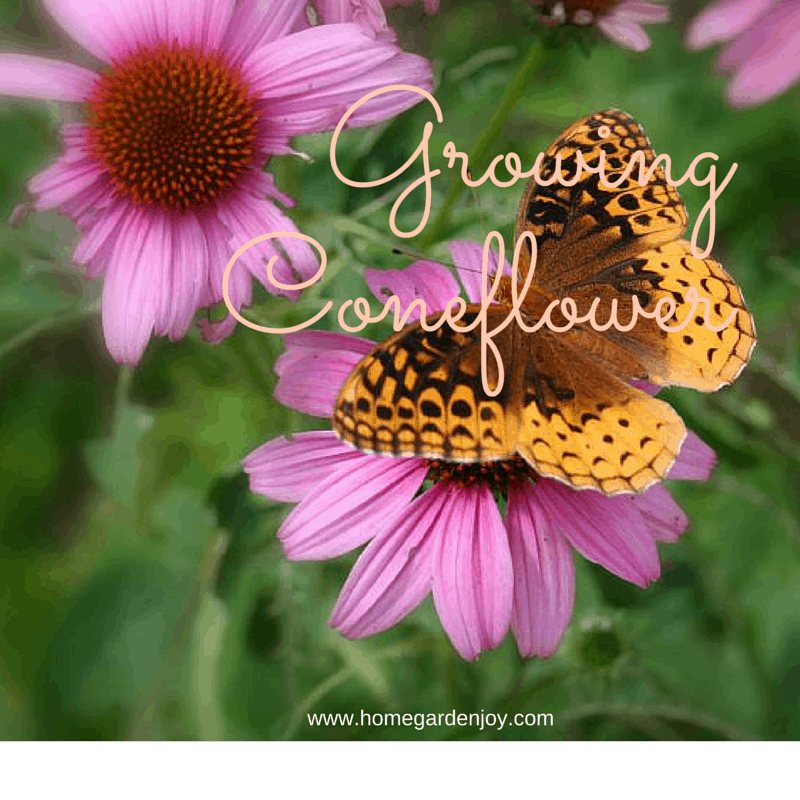
Five years ago, I purchased three packages of seeds from the Parks catalog. I added two packages of seeds in the following years. The result is a garden filled with coneflowers – purple coneflower (Echinacea purpurea), but also white and yellow. I have three different shades of purple, the classic “Purpurea”, “Cherry Brandy” and one that came with a mixed package of seeds that loves it and continues to reseed.
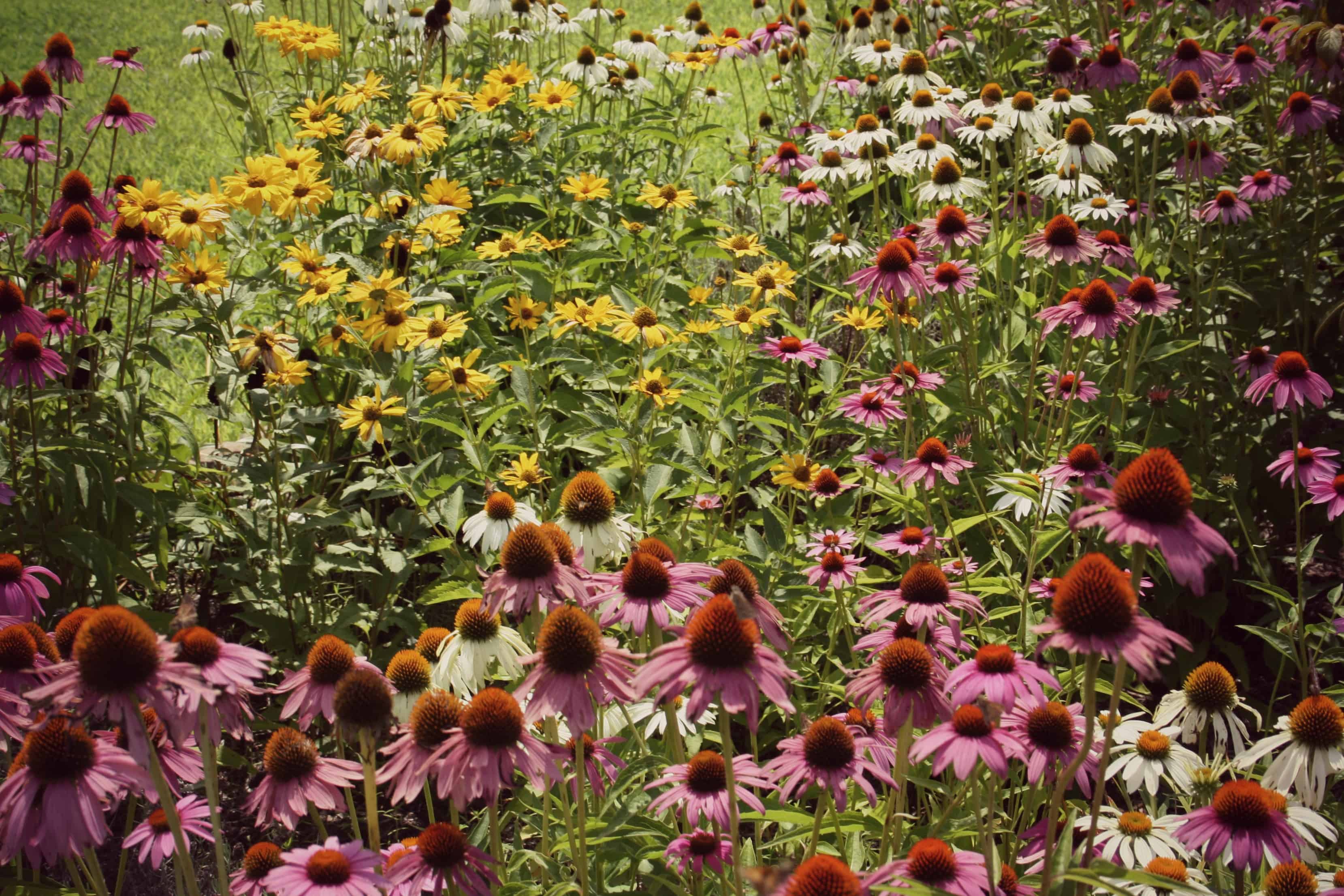
Every coneflower in my garden came from that little seed collection planted years ago. Growing coneflowers is easy in most gardens.
Coneflower loves the hot, dry weather here in south central Virginia. As a native perennial plant, it thrives in the local conditions. The butterflies love it, so it adds to my butterfly gardens. The birds also love to perch on the tall, rocket-shaped spires and nibble at the seeds. Goldfinches seem particularly fond of it.
I originally planted a border of coneflower around the island bed in the center of the lawn, but the coneflower had other ideas. Over the years, it has reseeded abundantly, producing many plants that have filled the bed with flowers. I think coneflower is one of the easiest plants to grow, and with just a little care and luck, you can fill a flower garden with their cheerful blossoms.
Growing Coneflowers
How to Grow Coneflower
Coneflower is easy to start from seed. I start my coneflower indoors, under the plant lights, approximately six to eight weeks before the last frost date. Use a sterile seed starting mixture and a dome to maintain humidity. Once the plants have several sets of leaves, they can be moved outdoors.
Coneflower prefer a light, loamy soil, but will do just fine in clay if given time to extend their deep tap roots into the earth. They prefer full sun but will also tolerate partial shade. Their native habitat is prairies and meadows; if you can recreate that type of atmosphere for your coneflowers, they’ll reward you with abundant blooms.
Coneflower doesn’t need to be divided like other perennials. You can translate the volunteers, or self-seeded plants, if they grow in areas where you don’t want them. Try to do this early in the spring and water the plants well after transplanting. Their deep tap root doesn’t like to be disturbed and may need several weeks or months to recover from transplanting.
You can use Echinacea as a cut flower, a border plant, a cottage garden flower or as part of a butterfly garden flower. Seeds can be collected in the fall or after the seed head dries out. If you do collect and store seeds, store them in envelopes or paper sacks, nice and dry, in a dark, cool location.
As you can see from my pictures here, in just a few short years, a little invested into the purchase of good quality seeds can yield a beautiful garden. Give coneflowers enough light, water and time, and you’ll look like you have a green thumb even if you kill plastic plants.
Coneflowers: A Few Facts about Echineacea or Purple Coneflowers
- Coneflowers are native to the prairies of the United States and Canada
- They grow well in garden zones 5 to 8
- “Magnus” is one type of coneflower that is hardy to zone 3 (northern Maine/Canada)
- They attract birds (who eat their seeds) and butterflies (who love their nectar).
- Needs full sun to partial sun.
- Can be planted in a wide range of soil types including clay, clay loam
- Heat tolerant
- Drought tolerant
- Bothered by very few pests.
Gallery of Purple Coneflower Pictures
Click on any photo to see a close up. All pictures taken by Jeanne Grunert and were photographed in my garden.
-
- Growing coneflowers is easy….
-
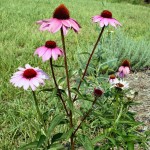
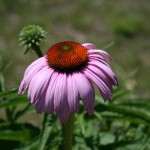
- Purple coneflower is also called Echinacea purpurea.
-

- Coneflowers are usually purple but come in many other shades.
-

- As the flowers age, the center takes on a “cone” shape and the petals point down.
-
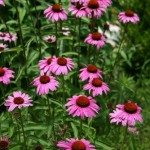
- Field of purple coneflower in my garden.
-
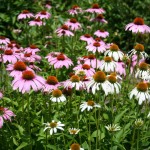
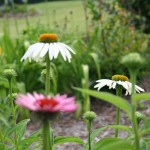
- Echinacea “purpurea” and Echinacea “White Swan” in my garden.
-
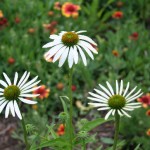
- White coneflowers.
-
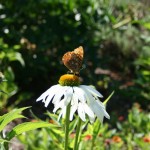
- Butterflies love coneflower.
-
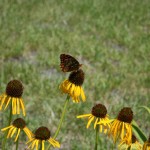
- Yellow coneflowers.
-
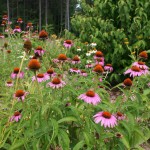
- Coneflowers once grew in prairie meadows.
Is it too late to grow them now in early summer?
I don’t think so. Start them in pots, and transplant them in early fall, at least 8 weeks before the first frost date. That will give them some time to establish good roots. I suggest “babying” them through the summer though – plenty of water! Good luck. I just transplanted a bunch I had growing in pots.