• Skip to primary navigation
  • Skip to main content
  • Skip to footer
Home Garden Joy
  • Home
  • Gardening Basics
    • Home Garden Tips
    • Month-by-Month Gardening Tips
    • Seed Starting
    • Compost and Fertilizer
    • Butterfly Gardens
    • Tools & Equipment
  • Raised Bed Gardens
  • Plants
    • Plant Profiles
    • Herbs
    • Fruit
    • Vegetables
    • Flowers
    • House Plants
    • Trees and Shrubs
  • Pests, Weed & Problems
    • Plant Diseases
    • Weeds & Invasive Plants
  • Birds and Wildlife
  • About
    • Books & Classes
      • Books for Christian Herbalists
      • Herbalism Classes
      • Books by Jeanne Grunert
    • Privacy Policy

What Is a Cachepot

September 8, 2015 by Jeanne

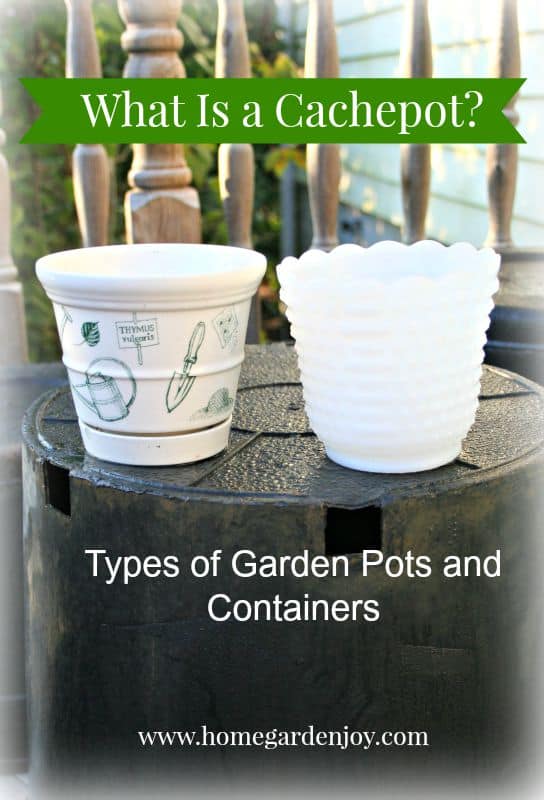
Cachepots are decorative flower pots that are used to cover a plain or unsightly garden or flower pot. They can add color and beauty to flower pots, and be decorative accents in and of themselves.
cachepots 1 with text

Today in our continuing discussion of the types of garden pots and containers you’re likely to find at your favorite home and garden store, I’m answering the question, “What is a cachepot?”

Cachepots (pronounced: CASH-pohs) are decorative flower pots or containers. They can be made from any materials, but are likely to be made from glass, ceramic or metal.

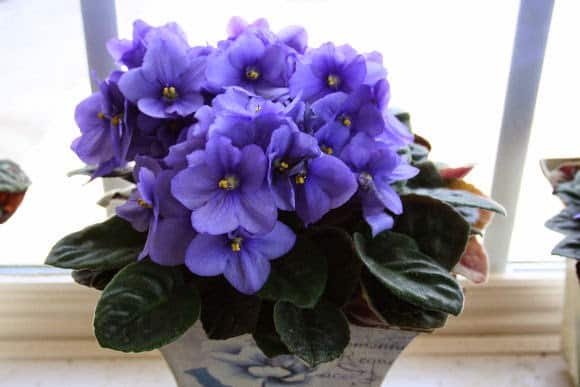
The two in the photo above are in my personal collection. The one with green images screen printed on it is made of ceramic, and the white one is pressed hobnail glass. Below is a photo of an African violet in a metal cachepot decorated with screen printing. As you can see, cachepots can be quite beautiful!
africanvioletcare

An African violet in a metal cachepot.


How to Use a Cachepot

The trick to using cachepots is to use them as outer sleeves. Think of your cachepot like gift wrap; it’s meant to be decorative rather than functional.

Cachepots typically aren’t used as the primary plant container. That’s because most lack drainage holes. Without drainage holes, water can build up inside the soil and smother your plants. Even a little over watering can rot a plant if the water can’t drain away.

Cachepots also lack any kind of porosity, so air cannot move into the container. Clay or terra cotta pots have the greatest porosity, and allow air and moisture to move between the soil and air and vice versa. Plastic pots have large drainage holes in the bottom and near the sides at the base, which allows water to flow out or back in. Cachepots lack any kind of drainage.

A cachepot or decorative flower pot can be easily swapped if you move a plant from one room to another because your house plant isn’t planted right in the cachepot. The cachepot itself stays clean, and you just slip it off from around the plastic container and pot a new plastic container inside.

So that’s what the funny word, “cachepot” means. It’s a decorative flower pot or container. Choose what you love and display them proudly.


More articles in this series on garden pots and containers:
  • Types of Garden Pots
  • The Benefits of Using Clay Pots


Filed Under: Home Garden Tips

Previous Post: « The Benefits of Using Clay Garden Pots
Next Post: 25 Easy Apple Recipes for Fall »

Reader Interactions

Trackbacks

  1. Simple Container Designs: Petunias - Home and Garden Joy says:
    June 14, 2016 at

    […] and white petunias. Note that I’ve planted them in a plastic container which slips inside the decorative ceramic pot. This ensures that water drains out. During a heavy rainstorm, I can pull the pots out and let them […]

Footer

A close up of American burnweed flowers about to bloom.

American Burnweed, the Weed That Signals Fall Is Here

I was walking my dog along the wood’s edge right near where we cleared land to build our greenhouse when I did a double take. There, like Jack’s magical beanstalk, had grown overnight this gem: American burnweed. Also known as fireweed or American burn weed, it grows rapidly – and I mean, rapidly. Like I…

Read More

Summer squash

What Can You Make with Summer Squash?

It’s that time of year when everyon asks, “What can I make with summer squash?”. The time when neighbors sneak bags of summer squash onto porches. When farmer’s markets are brimming with yellow and green squash, zucchini, and all manner of Cucurbitaceae, the plant family that gives, and gives, until it can’t give anymore. If…

Read More

A closeup of marshmallow plant flower.

Growing Marshmallow Plant

Growing marshmallow plant has been on my gardening to-do list for quite some time. I’ve read about it in herbal books and grown its cousins in the Malvaceae family from seed. The dark purple mallow plant I have thrives in my little garden by the shed, so I thought, “Why not grow marshmallow there?” I…

Read More

watering can with plants

August in the Garden: Late Summer Delight

August in the Garden: Tasks, Tips, and a Look Ahead to Fall Here in South Central Virginia, August has always felt like “back to school” season. By mid-month, the local schools are back in session, and with two universities in our small town, the stores fill up with dorm supplies and school gear. What a…

Read More

  • About
  • Plant a Row for the Hungry
  • Awards
  • Privacy Policy

Let’s Connect!

  • Facebook
  • Instagram
  • Pinterest
  • Substack
  • YouTube

Copyright © 2026 Home Garden Joy on the Foodie Pro Theme