
If you’re moving to a new home, there’s a thousand things to think about. One thing that may be low on your list is what to do about your house plants. But you should plan your house plants’ relocation just as carefully as your own. Moving house plants can stress your plants just as much as it can stress people and pets.
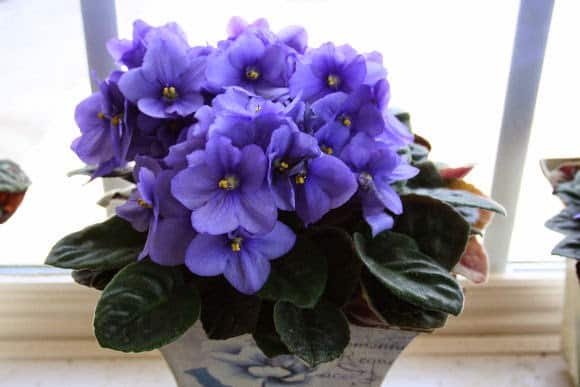
Homeowners who have amassed an extensive plant collection often feel reluctant to leave their gardens behind when they move. Consider moving with plants. With the exception of mature trees and shrubs, which may have such deep roots that it will harm them to move them, smaller plants and shrubs may be moved to grace the garden anew.
Moving Plants to a New Home
First, be sure to fully disclose the plant to move plants from the current location to the purchaser of the home. Leaving gaping holes in the landscape for a purchaser to tackle can lead to trouble. Be sure to mention to the person buying the home which plants will be moving along with you.
Assuming that you’ve already purchased your new home, dig the new planting holes before trying to move the plants. Amend the soil with compost and have mulch handy. If moving a short distance, dig up the existing plants and place them in heavy duty plastic sacks such as garbage bags or cardboard boxes. Retain as much soil as you can around the roots; this helps mitigate transplant shock to the new location. Moving the plants on a rainy or cloudy day also eases their transition.
If moving longer distances, transplant the perennials, roses and shrubs into plastic pots. Water thoroughly. Move them in your personal vehicle. Place heavy duty plastic in the trunk or on the back seat of the car and slide the plants in.
Considerations Before Moving Garden Plants
Moving companies may or may not accept plants for a move. Many will not, since plants can harbor insects and can die during transportation. Check with your moving company.
If you’re moving across state lines, check the state’s regulations regarding transporting plants. Some states prohibit certain plants due to insect infestations. Houseplants are generally safe, as are perennials, but do check for specific regulations with the state.
Moving House Plants
Tender houseplants can be difficult to move during the winter months. Be sure to wait until the very last moment before moving plants out of the house and into the car. Transport them within your personal vehicle, and keep the heat running inside the car during the drive to ensure temperatures remain above freezing. Place plants inside a plastic bag to protect them from the shock of icy winter winds and arctic blasts. Remember, they’ve spent their entire lives inside the 68 degree or so warmth of the house, and sudden temperature changes will be shocking to the plants.
Finding New Homes for Plants
Sometimes it’s impossible to move with garden plants or houseplants. If that’s the case, leave the garden plants where they are and let the new owners enjoy them. For houseplants, try to find new homes for them. Ask neighbors, friends or relatives if anyone wants them. Selling them only works if you have rare plants or very large specimens. Most commercial greenhouses and garden centers won’t purchase them. There’s too great a risk of spreading diseases to their existing nursery stock. Try advertising them in the local newspaper or an online service such as Craigslist.



I am so glad to find your post! Me and my husband are planning to move house next year in February. This is a really big step for us and we are very nervous and excited about it! We both have great job offers in the city and we are moving there. Now we live in a small town and we have many flowers and plants that we love and don’t want to leave behind! I will definitely follow your advice and be very careful when moving them.