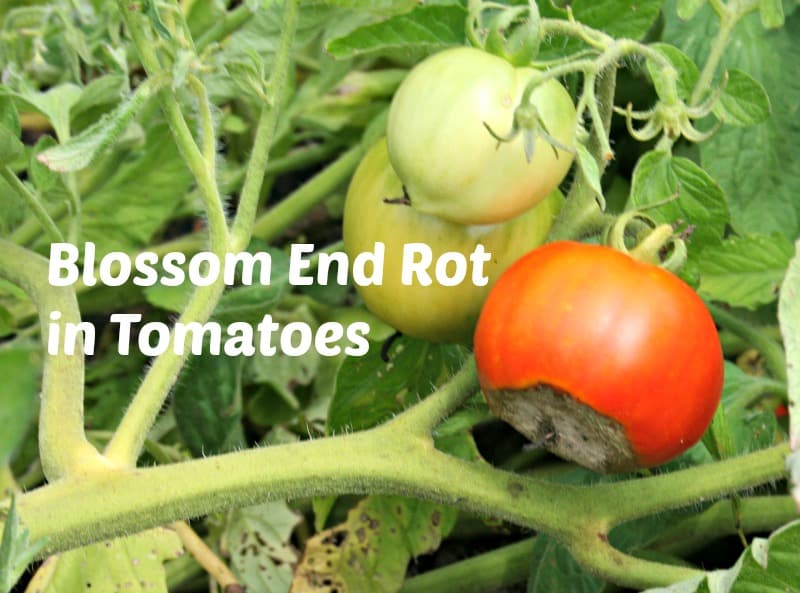
Blossom end rot is a common tomato disease, and it can ruin your crop. Tomatoes with blossom end rot have a black, sometimes flattened, bottom. It looks rotten and when you cut into it, the tomato itself is black.
Here’s what blossom end rot is, what it does, and more importantly, how to prevent it.
Blossom End Rot in Tomatoes
Excitement is building as you spy the first red, ripe tomato in the garden. You head out into the backyard to pick it – only to find that the bottom is rotten. It’s flat, black, and sometimes has mold on it. What happened? Only yesterday, the tomato looked fine and today – yuck!
Welcome to the world of blossom end rot in tomatoes, a disease I’ve become an unfortunate expert in thanks to my garden producing at least some tomatoes each year with blossom end rot.
Most articles that you ready blame cultural practices for blossom end rot disease. In other words, you’re doing something wrong. Granted, I could make a mistake, but I’ve spoken with other, more experienced gardeners and farmers in the area, and all seem to agree that in our corner of Virginia, a few tomatoes each year will have blossom end rot before the plants produce good fruit.
What is blossom end rot?
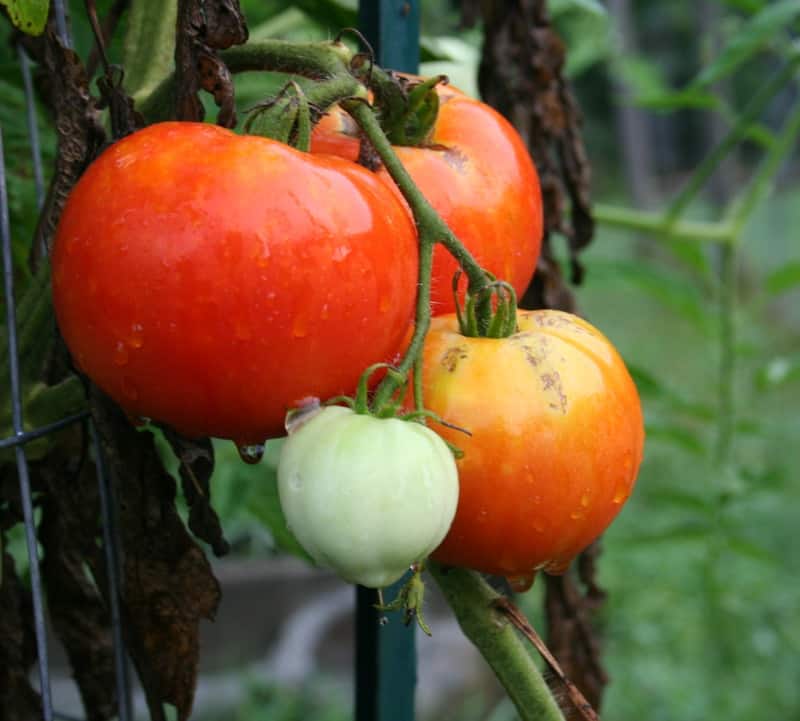
Blossom end rot is a tomato disease in which the tomato begins developing normally, but as it ripens, the end flattens out with a large dark disc. The bottom has a flat appearance with a blackened spot in the center. Sometimes, mold develops on the blackened portion of the tomato. If you pick the tomato and cut out the rotten bit, the fruit tastes ‘off’ and may have a mealy texture.
What causes blossom end rot?
Two things are notorious for causing blossom end rot in tomatoes: poor watering practices and calcium issues.
Watering practices can contribute to blossom end rot. If the plants receive a lot of water, then none, then a lot, the uneven watering will cause poor fruit development.
The bigger culprit, in my experience, is a problem with soil calcium levels. You may be surprised to learn that plants need calcium. We have it drilled into our heads by health experts that calcium is good for bones and teeth, so children need it to grow strong and healthy. True, but plants need it to. It is one of the many minerals that contribute to strong, healthy plants. It helps build the cell walls of plants.
If the plant cannot absorb calcium from the soil, or if the soil lacks calcium, the fruit won’t develop properly. The integrity of the cell walls within the fruit is compromised. Blossom end rot develops – in tomatoes, peppers, and squash, but other vegetables can be affected, too.
Soil calcium can be tested at your local Cooperative Extension office. The soil pH, however, also affects calcium absorption. If the pH isn’t in the range the plant needs, it will struggle to obtain calcium from the soil even if plenty of calcium is present.
Curing Blossom End Rot
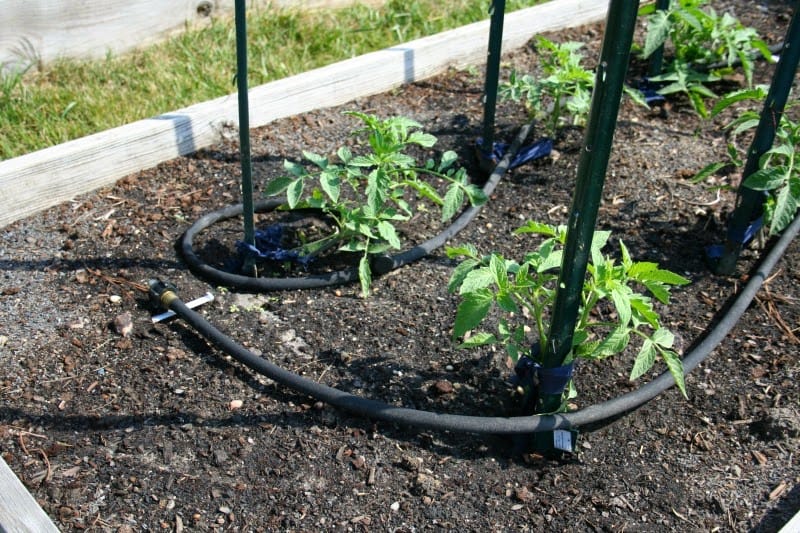
Once you see blossom end rot, don’t wait. First, check your watering practices. If you’re an on again/off again kind of waterer or relying on rain water for your vegetable garden, you might want to improve your watering habits. Water your plants for about the same amount of time each day.
I add plenty of Epsom salts to the soil when I spot any sign of blossom end rot. Truth be told, I should add them when I plant the tomatoes, but I always forget. Plain, ordinary Epsom salts are often touted as the cure-all for a lot of vegetable garden problems without much evidence. In this case, however, Epsom salts or magnesium sulfate helps plants access calcium in the soil. Ground limestone is another source of calcium for plants, but don’t dump tons of it on the soil without getting a soil test. It can alter the pH of the soil too much.
I hope this has helped you understand blossom end rot in tomatoes. It’s disheartening, I know, to go out to the garden and find many tomatoes with the ugly flat bottom on them. Pick them so that the plant doesn’t put more energy into them and discard them in the trash.
9 Articles About Growing Tomatoes
Check out the following articles on Home Garden Joy:
This post was first published July 2017. It was updated on July 6, 2021 with new information, better links, and better images.
[…] Epsom salt is NOT SALT. It is magnesium sulfate, which will add magnesium to your soil but will NOT KILL WEEDS. […]