My dad entered his first of many chrysanthemum shows in 1975, and for many years afterward, my fall memories were filled with images of brilliant football mums, spider mums, and exhibition chrysanthemums. Growing chrysanthemums or any flowers for exhibition requires a special level of dedication to a particular type of flowers.
Growing Flowers for Chrysanthemum Shows
Since ancient times, chrysanthemums have inspired countless people with their beautiful form, interesting foliage, and unusual scent. Today, avid gardeners around the world channel that love for chrysanthemums into chrysanthemum exhibitions and participation in their local chrysanthemum society. Here’s how you can get started showing your mums, or visit a chrysanthemum exhibition and enjoy the gorgeous variety of this beautiful flower.
The National Chrysanthemum Society
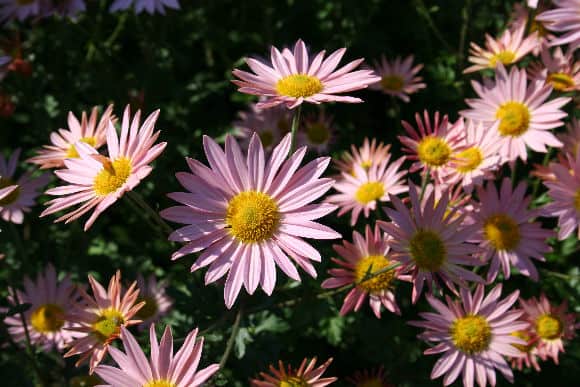
The National Chrysanthemum Society is the governing body for people interesting in showing chrysanthemums. They provide by laws, growing information, and information on state and local chapters of the Chrysanthemum Society. Their website provides a photo gallery for inspiration and mum identification with plenty of chrysanthemum pictures, as well as beginner’s information on growing mums.
Exhibitions are held across the nation every fall. The dates vary by location and gardening zone, with shows in the northern part of the United States typically held in October, and shows in southern and warm regions in November.
To find a club near you, visit the NCS website and click on your state on the map. All clubs for your state are listed, and you can find the location nearest to you.
Preparing Mums for a Chrysanthemum Show
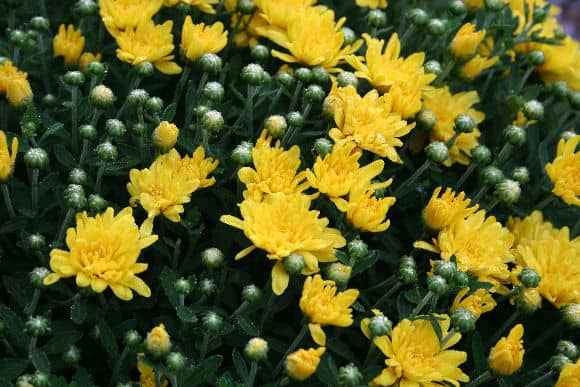
Growing chrysanthemums for exhibition requires long-term planning and a strategy to grow your mums just right, with peak bloom time coinciding with the show dates. To do this, most chrysanthemum exhibitors depend on several strategies:
- Using shade cloth to control the amount of daylight the plants receive. This fools plants into blooming at a given rate by carefully controlling the exact amount of “day” and “night” for the plant.
- Pinching buds at certain times of the year to encourage later flowering.
- After shading is finished, using clear plastic over wooden frames to protect exhibition mums from potential rain and hail damage.
Chrysanthemums grown for chrysanthemum exhibitions are usually ordered from mail-order catalogs or internet sites. This allows competitors to select the exact varieties, colors, and types they wish to grow. While visitors to chrysanthemum shows love the gigantic football mums, there are 12 other types listed on the Chrysanthemum Society’s website suitable for shows. After attending a few shows, you may want to develop a show strategy and grow mums for classes with lower numbers of entries so you have a better chance of winning prizes.
Next, after the plants are received in the spring, they are planted in rich, well-drained soil. Well-drained soil is a must. Plants are nurtured along until they are well-rooted, then they are fertilized on a regular schedule.
Many gardeners construct a wooden frame or supporting frame over their chrysanthemum beds. A black cloth called a shade cloth is stitched to fit tightly over the frame. Chrysanthemum catalogs include a key that helps exhibitors plan the shading times for their mums. The cloth carefully controls the amount of daylight the plants receive and helps growers coax the flowers into peak blooms just in time for shows.
Shade cloth is placed over the frames in the late afternoon during the summer, for example, to make the plants think that the days are shorter than they really are. Shading times vary according to your growing zone, so seek advice from the local chapter of the Chrysanthemum Society if you’re interested in learning how to time your plant’s flowers.
Pinching, or removing buds and stems, must occur at regular intervals too in order to help the plants bloom later. Pinching times vary according to the gardener’s growing zone and the plants.
Of course, nature doesn’t always cooperate with a chrysanthemum shower’s best efforts to get flowers to bloom by a certain date. Rain and hail are the scourge of a chrysanthemum gardener’s showy blooms. After the plants set their flowers and the time for shading them is over, heavy-duty plastic is stapled over the frame on the top, back and two sides to keep wind and rain from damaging the flowers.
Flowers are snipped with a certain length of stem, and as the accompanying video demonstrates, flowers are prepped for the show. Check your local club’s regulations for any rules regarding preparing your flowers.
Transporting chrysanthemum flowers to the show is an art in and of itself. Flowers may be inserted into florist tubes to provide water to the blooms during transportation. Many chrysanthemum growers use under-the-bed storage boxes and tissue paper. Blooms are placed in a single layer among tissue paper layers for protection. Another method is to find a local florist willing to give you their discarded flower shipping boxes. These are ideal, although they may be slightly damaged when transporting flowers to the florist. These are long boxes, sometimes with cardboard forms inside to hold flowers in place. If you can find a florist with such boxes who is willing to give or sell you some, they work well to transport flowers to chrysanthemum exhibitions.
Find a Chrysanthemum Show Near You
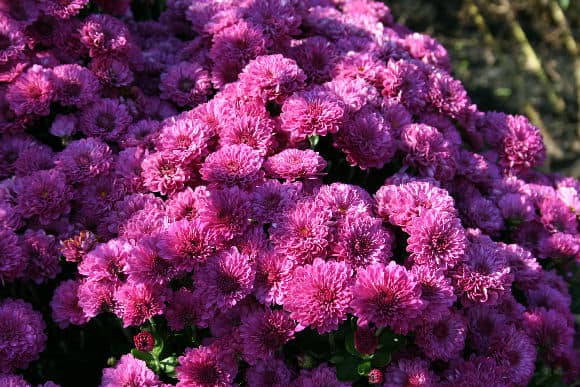
Before you grow your chrysanthemums for shows, it’s best to visit one or more local chrysanthemum shows. You’ll not only get to meet fellow members and ask all the questions you want, but you’ll see some of the most gorgeous flowers possible! It’s also a great place to go for gardening inspiration. The National Chrysanthemum Society’s website has a map-based club finder, and each club’s show is listed on their home page. Many shows are held at national gardens such as Longwood Gardens in Kennett Square, Pennsylvania and large garden centers such as Hicks Nursery on Long Island, New York. Others are held in local churches, halls, and hotels. Watch your local newspaper’s garden section for announcements of shows or visit the national website to find one near you.