Have you ever heard the organic gardening tip about digging a few banana peels (or bananas) into the ground near your roses for gorgeous flowers and healthy plants? How about adding rinsed-out eggshells to the compost pile? Or using wood ashes and coffee grounds in the garden? Each of these items adds valuable nutrients to your organic garden. If you’re into organic vegetable gardening, enhancing your compost pile or using these organic gardening tips builds up the soil, adds nutrients, and costs nothing. Best of all, it reduces household waste, too.
Roses Love Banana Peels
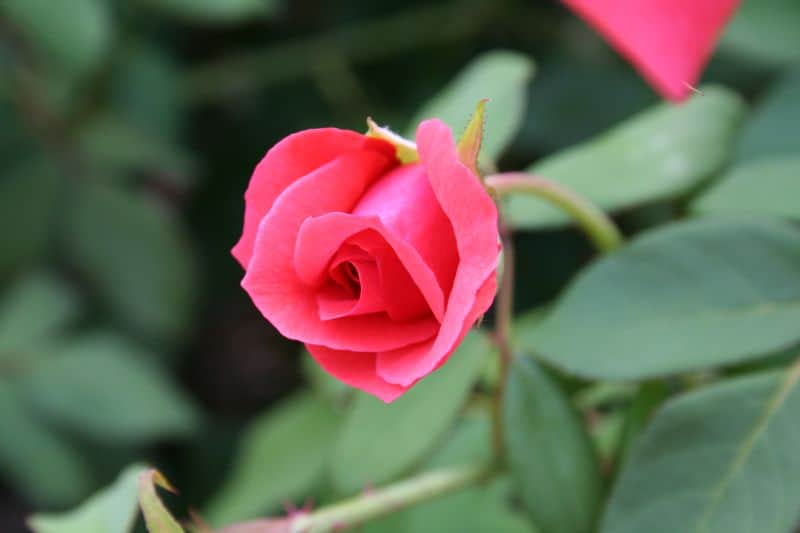
The first organic gardening tip is simple: dig banana peels into the ground near the base of your roses. Bananas contain vital minerals that roses love, and adding the peels allows nature to break them down through the action of worms, microorganisms and more. As the peels break down they deliver nutrients right to the roots of your roses. The healthier the rose plant, the more blossoms you’ll see. Roses fed on banana peels flourish, producing beautiful flowers that last and last. Roses also appreciate generous amounts of well-rotted manure, especially horse manure if you can find a stable willing to share “nature’s gifts” with you for free.
Wood Ash for Organic Gardens
Don’t dump cool wood ashes into the trash. Keep a metal pail handy and scoop your wood ashes into the pail, then use in the vegetable garden. Apply wood ash directly to the vegetable garden if you have acidic soil (soil pH below 7). If the soil is already alkaline, the safest use of wood ashes is to mix them into the compost pile to allow them to decompose and blend into the existing compost. Spread wood ashes at the rate of 20 pounds per 1,000 feet of garden space.
Wood ashes contain abundant potassium as well as phosphorus and calcium. Calcium deficiency leads to tomato blossom end rot, so adding wood ashes and other sources of calcium to the vegetable garden soil is a great way to use an organic gardening fertilizer to boost the soil’s nutrient value and the health of your tomato plants.
Coffee Grounds Add Nitrogen
Another bit of kitchen garbage that actually works well as an organic gardening fertilizer are coffee grounds. Instead of dumping the filter and grounds into the garbage each day, spread them grounds around acid-loving plants such as tomatoes, roses, azaleas, and blueberry bushes. If you live in an area with alkaline soil, spreading coffee grounds in the garden is a simple and effective way to change the soil pH. You can also mix coffee grounds into your compost pile and let them decompose along with your potato peels, grass clippings and whatever else you add to the compost pile to make that black gold soil plants just love.
Eggshells as Organic Garden Fertilizer
Last but not least, don’t throw away eggshells, either. They make a great addition to the compost pile or your organic gardening fertilizer plan. Rinse the eggshells under running water through to keep critters from sniffing them out in the compost pile. Take your eggshells and add them to the compost pile. You may want to smash them up a bit to make them easier for nature to break down. You can also smash up the eggshells and sprinkled them in the vegetable garden for an organic gardening fertilizer. They add calcium to the soil.
Eggshells also make a nifty organic way to control snails and slugs. Crush up the eggshells but leave the pieces on the bigger side. Sprinkle the crushed shells around your plants such as hostas that are getting nibbled by snails and slugs. Eggshells act like diatomaceous earth, killing or repelling the slugs and snails organically. No chemicals, no worries – just simple, FRUGAL organic gardening tips for healthy plants!
[…] Banana Peels, Coffee Grinds and Eggshells: Organic Gardening Tips […]