• Skip to primary navigation
  • Skip to main content
  • Skip to footer
Home Garden Joy
  • Home
  • Gardening
    • Raised Bed Gardening
    • Month-by-Month Gardening Tips
    • Seed Starting
    • Compost and Fertilizer
    • Butterfly Gardens
    • Tools & Equipment
    • Pests & Problems
    • Birds and Wildlife
    • Home Garden Tips
  • Plants
    • Plant Profiles
    • House Plants
    • Vegetables
    • Fruit
    • Herbs
    • Growing Flowers
  • Recipes
    • Easy Recipes
    • Canning and Food Preservation
  • Books & Classes
    • Books for Christian Herbalists
    • Herbalism Classes
    • Books by Jeanne Grunert
  • About
    • Privacy Policy

Growing Grapes

April 8, 2014 by Jeanne

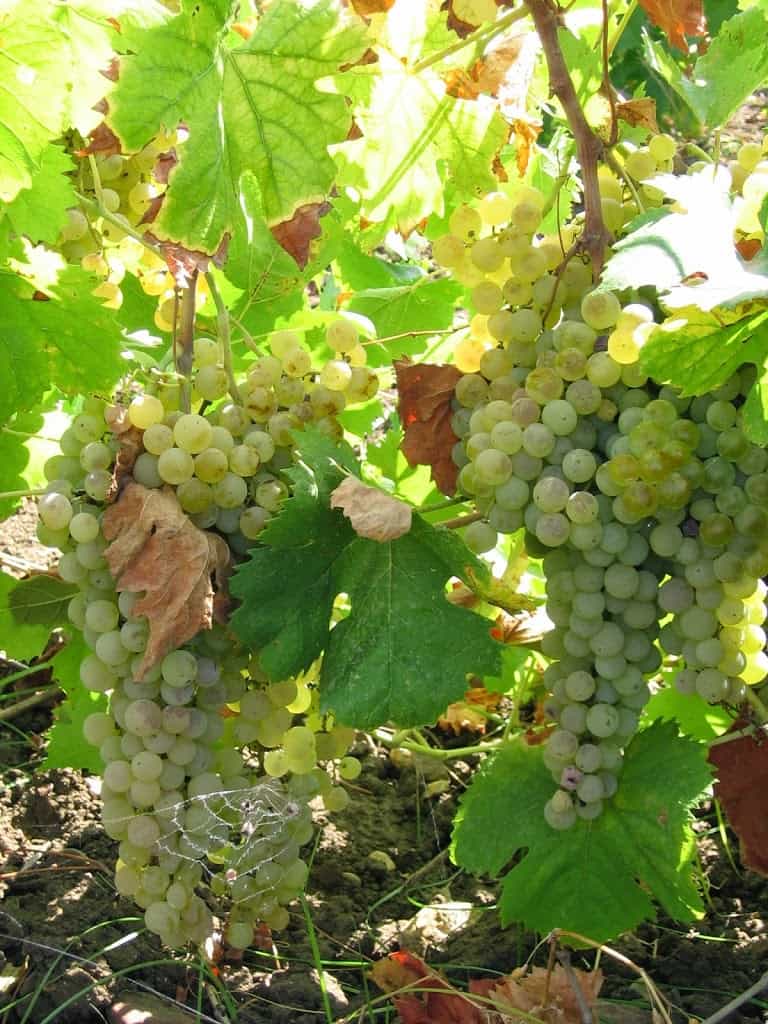
Source: Daniel Ito, Morguefile.com

Growing great grapes. How’s that for getting the letter “G” into my post for the A to Z blogging challenge? Ha!
–
In all seriousness, we’ve debated growing grapes here at Seven Oaks for several years now.  Ever since visiting Monticello in Charlottesville, Virginia, and seeing the plethora of vineyards growing on Thomas Jefferson’s mountaintop home, we’ve been inspired to add grapevines. Hubby and I toured vineyards in upstate New York on a memorable vacation and enjoyed learning how our favorite wines are made. We’ve dreamed about adding grape production to our little corner of heaven, also known as Seven Oaks Farm, but we’re just not sure where to begin. I decided to take the opportunity today to do some research on the topic in honor of the A to Z challenge, and she what I’ve learned with you.  Later on, if we do go ahead and plant some grapevines, I’ll share the progress.


Growing Grapes in Virginia: The Basics
The first good news: the Virginia Cooperative Extension website offers tons of information on how to grow grapes! Yay! Not only are there documents on site and variety selection, there’s a web-based tool to help you choose the perfect site for your grape crop. 
–
I learned by reading the documents that the best sites for grapes include areas that have rich, fertile, sandy loam soils. Their roots grow deep, sometimes as deep as six to eight feet, so choosing your site for grape cultivation is very important. Once you plant them, they are tough to move. I’m guessing it’s disruptive to uproot them, sort of like transplanting a mature tree. They can be grown in clay soils, but do need more nutrients added to the clay, and prefer a pH of 6.0 to 6.8.
–
Plants are set about four weeks before the last frost date in spring. The Cooperative Extension recommends leaving about eight feet between the plants, especially for the typical American table grape varieties. They need to be trained along guidewires or fencing, and wood chip mulch is preferred to shade the roots. They don’t like to compete with grass or weeds. They should be fertilized with a 10-10-10 fertilizer after becoming established in the home garden.
–
I worry about birds and animals eating the grapes. It’s bad enough that I lose a lot of strawberries and peaches to squirrels and crows without losing all the grapes I could grow, too.  Fruit tree netting may be the answer here. Nets draped over the vines protect the fruits but allow pollinating insects to visit.
Grapes sound like a lot of work but probably aren’t much more work than the fruit trees we planted. I think I’m going to scout around the farm this year to find an area for grape vines. I’m thinking that the area near the middle of our fruit orchard may be ideal, but the web-based site selector may come in handy here. No matter where we end up planting the vines, I’d better start working out. I sense more fence posts to be dug in my immediate future if I decided to grow grapes in Virginia!
post signature

Filed Under: Growing Flowers

Previous Post: « Figs for Virginia Gardens
Next Post: Heirloom Vegetables and Flowers »

Reader Interactions

Comments

  1. Denise D Hammond, CGFM-Retired

    April 8, 2014 at

    We have lots of grape growers and wineries here in Michigan. For me, grapes are a nuisance that I tear out of my yard much to the dismay of local women who would walk along the back fence and collect the leaves for stuffing.

  2. Jo

    April 8, 2014 at

    Good luck with this if you do decide to try it. I believe it takes quite a time to establish a good vineyard though. Will be interested in your progress.

    Thanks for visiting my blog today.

  3. TheCyborgMom

    April 8, 2014 at

    When I was growing up my grandmother grew grapes in her backyard in Brooklyn. She made the most delicious jelly out of them!
    Visiting from A to Z!
    ~Katie
    TheCyborgMom
    Visual Proof

Footer

a close up of tulsi, also called holy basil, in bloom

How to Grow Tulsi from Seed

Holy basil, also called tulsi, can be grown from seeds. That, at least, is what everyone told me. I’d read about tulsi (holy basil) in several books about herbal medicine and seen it cited as a good adaptogenic herb. I was excited to grow it, so I ordered seeds. Several years in a row. Each…

Read More

Summer savory is an annual herb that was once used just like pepper.

What Is Summer Savory? A Friendly Guide to This Under‑Appreciated Herb

Many years ago, my friend Allie gave me a few summer savory seeds. I think we swapped them for plants. I do remember wondering what summer savory is, as I had never seen it in the grocery store. So why grow it? What’s the big deal? Summer savory is now a staple of my summer…

Read More

watering can with plants

July Gardening Tips: How to Keep Your Garden Thriving All Month Long

July brings long, sunny days and plenty of garden rewards—but also rising temperatures that can stress plants, pollinators, and gardeners alike. With a few smart adjustments to your routine, you can keep your garden healthy, colorful, and productive all summer. Here are our top July gardening tips to help you make the most of the…

Read More

yellow bearded iris "Lemon Pledge"

How to Ship Iris Rhizomes – Sharing Is Half the Fun!

How to ship iris rhizomes (bearded iris) correctly is a simple skill, and one worth learning if you’re interested in pass-along plants. When I was a girl, it was common for neighbors to share plants. Someone would divide their peonies or iris and offer a portion to a neighbor. These “pass-along plants” came with stories,…

Read More

  • About
  • Plant a Row for the Hungry
  • Awards
  • Privacy Policy

Let’s Connect!

  • Facebook
  • Instagram
  • Pinterest
  • Substack
  • YouTube

Copyright © 2026 Home Garden Joy on the Foodie Pro Theme