As the warm weather arrives in Virginia, we are making spring vegetable garden updates. The raised bed vegetable garden here at Seven Oaks Farm is my pride and joy and one of my favorite places to garden. But, like all things on our little hobby farm, it needs work.
Thanks to some sunny, warm weekends, we were able to get outside and make some necessary updates and repairs.

Spring Vegetable Garden Updates
We have ten 12 x 4 beds and two 12 x 12 raised vegetable garden beds. I kept the pathways grass so that they would be both cool and easy to push a wheelbarrow through. The beds are filled with a rich mixture of soil, mushroom compost, and garden compost.
About Pressure Treated Wood in the Raised Bed Garden
Our raised bed vegetable garden is made with pressure-treated wood. So many myths continue to be spread about using pressure treated lumber. I’ve explored many of those myths in both my articles on Home Garden Joy and in the interview I did with Mike the Vegetable Gardener.
Don’t be afraid to use pressure treated lumber. The newer pressure treated lumber (manufactured since around 2004) does NOT leach arsenic into the soil!
When in doubt, use cedar for your raised garden beds. It resists rot and is not treated with chemicals. It is expensive, however. Plain untreated pine also works well.

Spring Vegetable Garden Updates
This year, our vegetable garden updates include:
- Replacing one raised bed.
- Removing the catnip, which is taking over the root crop bed (and crowding out room for beets and other delicious veggies!)
- Adding more strawberries.
- Earlier weeding to remove chickweed, henbit, and a few other weeds that always colonize the beds.
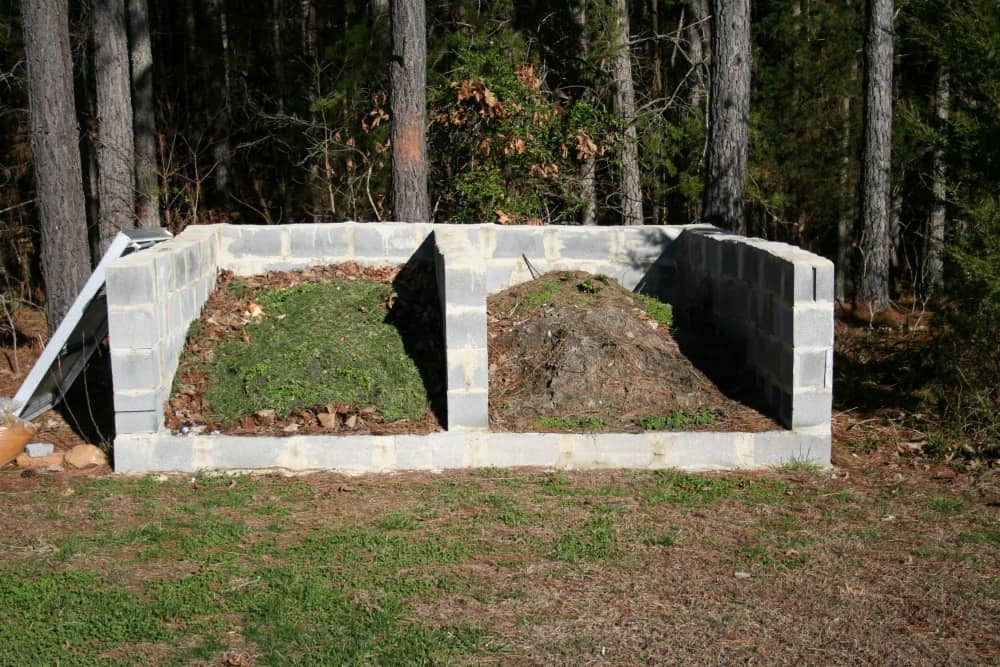
- Adding compost from the new composting system.
- Adding a plastic PVC frame to one bed so that I can install insect barrier cloth, an organic gardening method of keeping harmful bugs off of plants.
I have several goals for the garden this year.
- Plant a row for the hungry! I am going to donate a portion of our crops to the food pantry at our church, St. Theresa of Farmville, Virginia. We feed anywhere between 10-25 families each week through the church’s food pantry and I’d like to donate fresh produce. If they do not need it, the town’s food pantry, FACES, also accepts fresh produce.
- Make and can my own spaghetti sauce. To that end, I am growing extra garlic and have paste tomatoes starting from seed. I’ve chosen to purchase seeds from Southern Seed Exchange, a local Virginia company, and am growing ‘Hungarian Paste’ tomatoes for the spaghetti sauce experiment.
- Grow heirloom tomatoes. I’ve included some ‘plain’ varieties or old favorites for my hubby but I have new varieties starting from seed. These include “Old Virginia”, “Riesentraube” and “Black Vernissage.” I hope they grow! So far the Back Vernissage heirloom tomatoes have germinated under the lights in the basement.
- Add more small fruit production. I’ve planted two raspberry bushes, one blueberry bush, and am waiting for the shipment of my elderberry bushes.
- Add a few more fruit trees. I’ve ordered two Chicago Hardy Fig trees online that should ship this month and we have several baby apple trees started from seeds that need to be transplanted into the garden.

All of this leads me to an important point. When we began our modern homesteading journey ten years ago, I was all gung-ho to have a hobby farm and to eat as much as possible from the land, or produce our own food.
Since that time, I have had to scale back my expectations somewhat. I was not raised on a farm and have to learn everything new. I did learn to garden as a child and became a Virginia master gardener so I do consider myself an advanced gardener. However, the only livestock I know how to tend are horses thanks to summers working at a horse boarding stable on Long Island, New York.
I don’t know the first thing about chickens, pigs, goats, sheep or cows…but I’d love to learn.
That brings me to the real reason I have to scale back my expectations: time. I work full time as a marketing consultant and have clients worldwide. My days often begin at 8 a.m. with phone calls with clients in the U.K., Europe and Asia, and end very late at night with clients and partners on the West Coast and other places around the world. I just don’t have the time to tend my hobby farm the way that I would like.
Still, more improvements beckon. I have plenty to work on with the vegetable garden updates, the flower gardens, the herb gardens and more.


You’ve got lots planned for the coming season! This has to be one of the most exciting times of year for a gardener because of the anticipation of what is to come.
You’re right about expectations too. When I started my blog last year, I thought I was going to be writing all the time and publishing many posts each week. But life hasn’t allowed it. It’s not all bad though, I still get to write, just not the 5 or so posts I thought I was going to do (which was a very enthusiastic number!).
I look forwards to seeing how the year will pan out for you and your garden 🙂