When do you stop feeding hummingbirds?
Usually in the fall when you start seeing fewer numbers at your feeder. Generally for me that’s a week or two before the first frost date for my gardening zone.
But there’s another, less popular answer to the question, “When do you stop feeding hummingbirds?”
That answer is: now.
Here’s why I’m no longer feeding hummingbirds from a feeder and why I recommend providing them with natural food sources (flowers) instead.
When to Stop Feeding Hummingbirds: The Problems with Feeding Hummingbirds
I’ve written about the first time I saw a hummingbird back on Long Island, just outside of New York City, many times. How amazed I was with the little creature feeding on a geranium flower in the window boxes by our dining room, and how I loved to see them on the geraniums and hostas,
Once I moved to Virginia, I couldn’t wait to hang up a hummingbird feeder. I purchased several inexpensive plastic hummingbird feeders from the dollar store. Later on, I added a glass feeder from Tractor Supply.
I religiously cleaned my feeders, changed the liquid, and made sure my hummingbirds had clean, fresh nectar.
The Hummingbirds Stopped Coming
Then, suddenly – the hummingbirds stopped coming to my feeders.
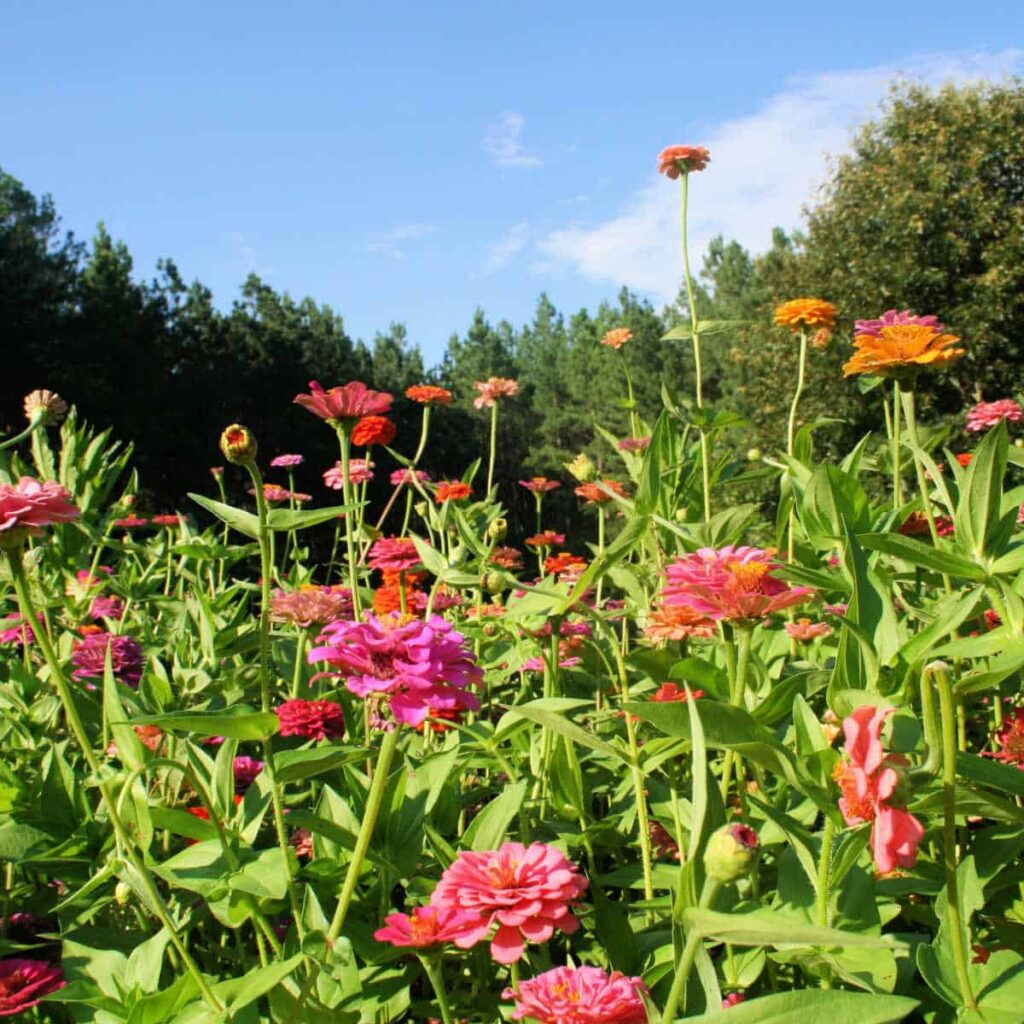
I still saw them on the plants in my garden. They love the morning glory flowers, the geraniums, gladiolus and the zinnias. When the hostas bloom, they feed on them, too, and in the early spring, columbine are a favorite flower.
I noticed that the hummingbirds preferred the flowers to my feeder!
Natural Food Is Best
Let’s face it – hummingbirds lived a long time before man’s intervention added backyard bird feeders!
While it is fun to watch hummingbirds up close and personal at a feeder, planting flowers to attract them is working with nature. It is providing the little birds with a natural food source that has no potential to harm them if you do not spray pesticides on the flowers.
Diseases Can Be Spread by Hummingbird Feeders
Hummingbird feeders can also spread diseases. Candida, a fungal infection, can swell the tongue, making it impossible for the little birds to feed. Other diseases which can be spread through dirty, contaminated, or spoiled hummingbird nectar include:
- Candidiasis (yeast/fungal infection)
- Aspergillosis (mold infection)
- Salmonella (bacterial infection)
I have to admit it, but even though I promise myself at the start of each summer that I will keep my feeders clean, I forget. Work gets busy. We go away for a weekend and I forget to take down or change the feeders.
Ants get into the feeders. Raccoons knock them over. And yellow jackets (and wasps) – don’t get me started. With each year, I seemed to feed more wasps and yellow jackets than I did hummingbirds.
Plant for Hummingbirds
So this year, in answer to the question “When do you stop feeding hummingbirds?” my reply is: Now.
I don’t feed them. I plant for them.
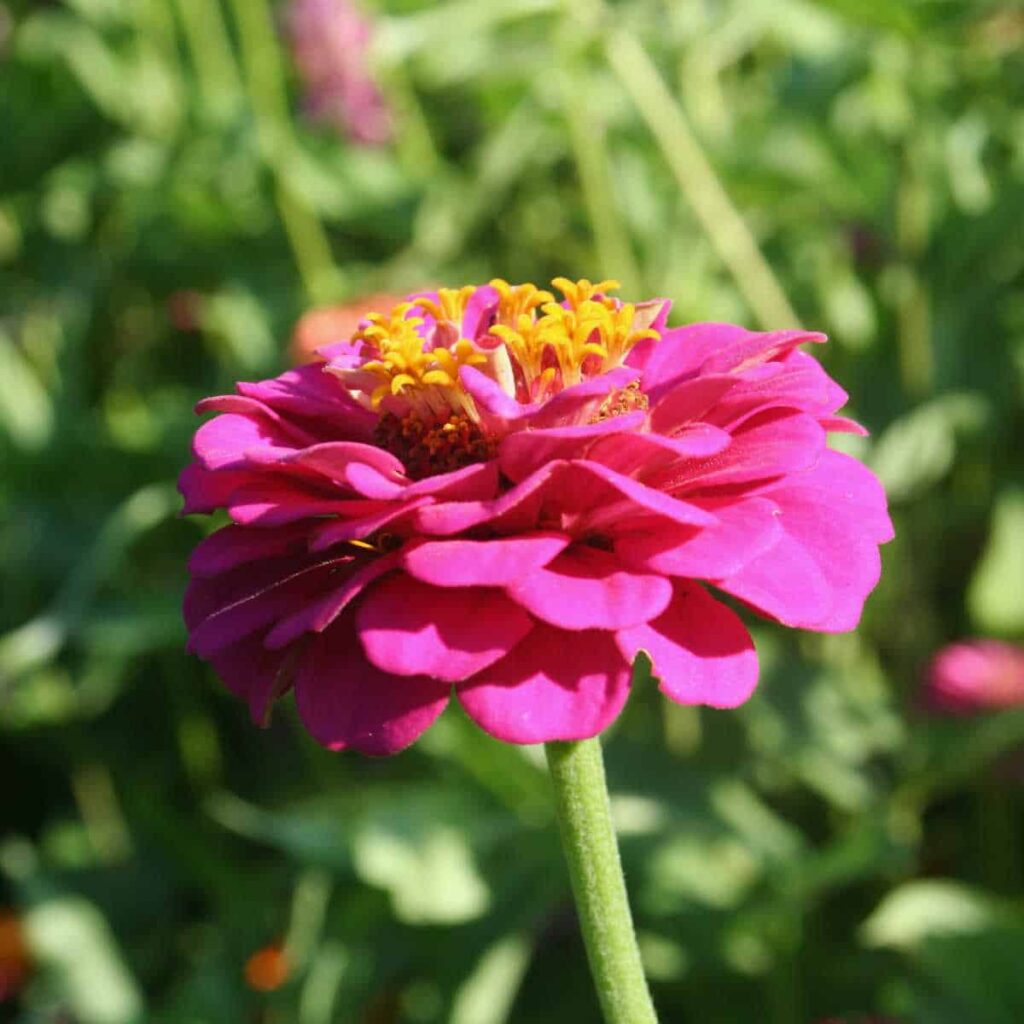
I’ve added an entire bed of zinnias, 4 feet by 8 feet long, just for the hummingbirds and bees. This morning, I had four hummingbirds happily feeding on the flowers. (And I have lovely fresh cut flowers each week for my kitchen table!)
My window boxes are planted with geraniums and petunias, both flowers that hummingbirds love. A gladiolus patch near the kitchen windows with hosta underplanted next to it adds even more flowers for hummingbirds.
I still see hummingbirds outside my kitchen windows when I’m working at the table, something I love. Often, when I sit on the deck with the dog, a hummingbird will ‘buzz’ me, or zip close to my head, hover, and chatter happily before zooming away to a flower. It’s a lovely reminder that they still love me – even if I’m not providing them with sugar water.
Is there any harm in feeding hummingbirds? According to the Audubon Society, no – but I do know that I have peace of mind now knowing that my little hummingbirds aren’t picking up a bacterial, mold or fungal disease from my feeder. And I’m also relieved I won’t be battling wasps to change the nectar!
As you consider your options for feeding wild birds, consider doing away with hummingbird feeders altogether. If you do choose to put one out in the garden, make your own nectar, and change it frequently keeping the feeder scrupulously clean.
Your hummingbirds thank you.