A primer on composting basics for novice gardeners.
Composting Basics
Oh, the glamor, the beauty, the awesomeness of a good compost pile. Composting basics are easy to learn. Most people can add a compost pile in the yard or garden. Whether you purchase a compost tumbler, compost maker or another device or make one yourself, nothing beats nice, rich compost added to the garden soil.
Benefits of Compost
Why is compost so great? First, it reduces the waste leaving your home in the garbage pail. Garbage added to a landfill doesn’t do much good, and those rich scraps of vegetable peels, coffee grinds, and eggshells are lost in the massive amounts of trash bulldozed under the landfill.
Secondly, and more importantly, compost adds nutrients, improves soil structure, and adds beneficial microbes back into the soil. You see, nature never intended us to dump pounds of chemicals into the soil. Nature created an intricate cycle of life that ensures that nothing goes to waste. Plants that die decay back into the soil. Compost is mankind’s way of organizing and speeding up the process.
Compost Pile Location
Composting basics start with the pile location.
Situate your compost pile with a few considerations in mind. It must be close enough to the house so that on cold, rainy, or snowy days, you won’t hesitate to step outside and dump the compost bucket. Keep a compost pail, bucket or bowl in the kitchen. If it sits on the countertop, keep a cover on it unless you like breeding fruit flies.
My compost bin is a unique contraption that fits next to the garbage pail. I have a garbage pail in a sliding drawer that pulls out from under the kitchen counter. There was a shallow plastic bin, probably for recycling, behind it. I had it converted into a compost pail. A friend cut a plastic rim for the pail. The pail is simply a plastic bathroom garbage pail from Wal-Mart. It’s lightweight and washes up easily, plus it holds a lot, making for fewer trips to the compost pile.
Be Considerate
Your second consideration is the potential for odors bothering your neighbors. Here in Virginia, that is not a problem for me because I’m on 17 acres, but on Long Island, my neighbor received complaints when his compost had a strong ammonia odor. Odor means something is wrong with the compost pile. It could be too “hot” with too many fresh grass clippings, or the wrong materials were added. He needed to turn and lime the pile to correct the odor problem. Living so close together in our suburban neighborhood, however, made the odor worse for the neighbors who didn’t garden and didn’t understand compost piles. They called the town complaining he kept his garbage behind the house because they saw him throwing eggshells there.
Two Areas – Fresh and Ready Compost
Wherever you place your compost pile, you’ll need two areas. One area is for ‘fresh’ materials added to the pile. Once these begin to decompose into compost, the fresh compost should be moved to the second area. Then you will always have fresh compost to use in the garden.
I only use compost outdoors, never bring it inside, as I’m terrified of what might hatch out of it. All sorts of insects love compost and when you turn the pile, look for nice, fat worms (a sign of a great compost pile) and other insects. These insects do eat the vegetative peelings and their droppings such as worm casings add to the excellence of the compost pile.
What to Add to a Compost Pile
What can you add to a compost pile? Anything plant-based and some limited additional kitchen scraps:
- Grass clippings
- Leaves from autumn raking
- Flowers from the florist that die
- Vegetable peels such as potato, carrot other peels
- Apple cores
- Fruit peels
- Stems from vegetables
- Eggshells (rinse them first)
- Coffee grounds and filters
- Tea bags
- Shredded newspaper
- Cow, goat, chicken or horse manure
Don’t add animal droppings from house pets such as cats or dogs. These attract vermin and may contain bacteria that you don’t want to add into the pile. Never add animal bones, fat or leftover meat. You’ll only create a smell and attract every wild animal.
Layer the Pile: Green, Brown
Most books suggest starting your compost pile with a layer of corn husks, straw or hay; then layering manure, garden products, grass clippings, leaves, etc on top like a lasagna. The picture here is my pile. It’s ugly. It’s a pile of garbage. It works just fine. I have to turn it every once in a while, making sure that soil covers the peelings. The citrus peels take a long, long time to break down, so I bury them well.
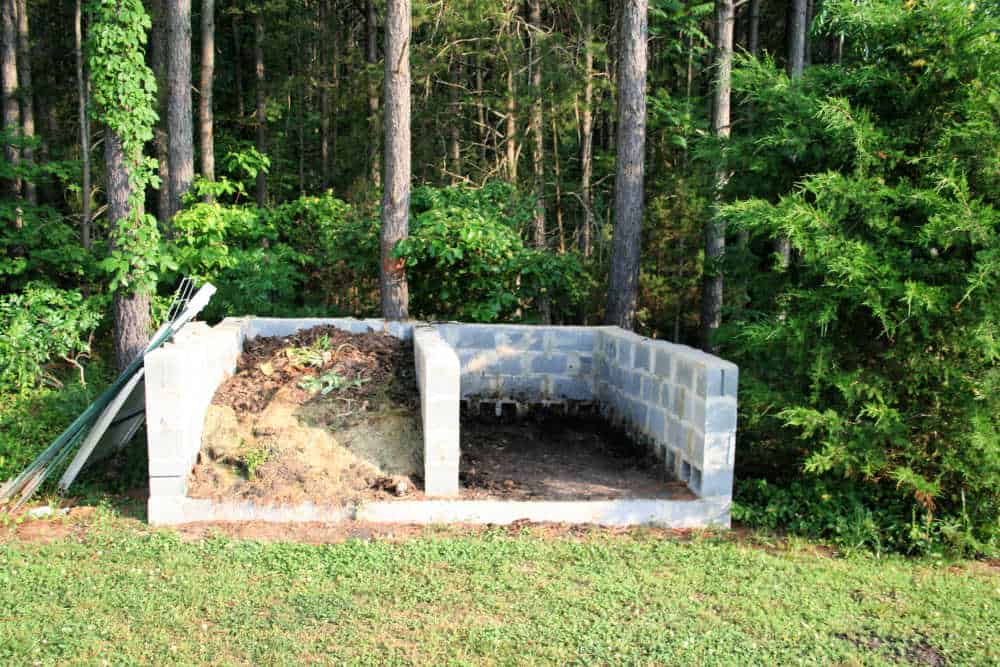
My compost pile sits at the edge of the woods and has frequent visitors. I put out the compost in the evening while I cook dinner, and most of the grapefruit rinds still have pulp in them. The next morning they are absolutely picked clean. Banana peels have a habit of disappearing, as do pineapple cores. I suspect I have some very happy opossums in my woods!
What tips do you want to share with readers on composting?