Yes, you can grow fig trees successfully in Virginia. The key is choosing a cold-hardy variety, planting it in a sunny location, and providing winter protection when necessary.
I grow figs in my own Zone 6b Virginia garden. Because winters here can get cold enough to damage fig trees, choosing the right variety was especially important to me. I chose Chicago Hardy, a fig known for its ability to tolerate colder conditions.
Virginia includes a fairly wide range of growing conditions, so how you grow your fig tree will depend partly on where you live. Gardeners in warmer areas may be able to grow figs in the ground with little winter protection, while gardeners in colder parts of the state may have better success with cold-hardy varieties, protected locations, or containers.
Virginia Cooperative Extension notes that Virginia spans approximately USDA Hardiness Zones 5b through 8b, which helps explain why a fig that thrives in one part of the state may need extra protection in another.
Table of contents
- Quick Guide to Growing Figs in Virginia
- Can Fig Trees Grow in Virginia?
- Best Fig Trees for Virginia
- Choosing a Location for Your Fig Tree
- Planting Fig Trees in Virginia
- Growing Fig Trees in Containers in Virginia
- How to Protect Fig Trees During a Virginia Winter
- What Happens If a Fig Tree Freezes to the Ground?
- Do You Need Two Fig Trees to Produce Fruit?
- When Do Figs Ripen in Virginia?
- How Do You Know When a Fig Is Ripe?
- Why Aren’t My Figs Ripening?
- My Experience Growing Figs in a Zone 6b Virginia Garden
- Why I Fell in Love With Fig Trees
- Frequently Asked Questions About Growing Figs in Virginia
- Growing Figs in Virginia Is Worth the Effort
Quick Guide to Growing Figs in Virginia
For the best results, give fig trees:
- At least eight hours of direct sunlight.
- Well-drained soil.
- Soil with a pH around 6.0 to 6.5.
- A warm, protected location, particularly in colder parts of Virginia.
- Winter protection when temperatures threaten the hardiness of your variety.
- Consistent moisture while the plant becomes established.
A south-facing location can be particularly helpful because it provides warmth and sunlight. Virginia gardening guidance recommends full sun and well-drained soil for figs.

Can Fig Trees Grow in Virginia?
Absolutely. Fig trees can grow very well in Virginia, but your success depends on your location, variety, and winter conditions.
Virginia’s climate varies considerably from the mountains to Northern Virginia, Central Virginia, the Piedmont, Richmond, Tidewater, and the Eastern Shore. Here in my Zone 6b garden, cold hardiness is one of my biggest considerations. A gardener in Zone 8 has considerably more flexibility than I do when choosing where and how to grow a fig tree.
Remember, too, that hardiness zones describe average annual extreme minimum temperatures. They don’t guarantee that a particular tree will come through every winter without damage. A warm microclimate can make a difference. A fig planted near a south-facing wall and protected from winter winds, for example, may fare better than one planted in a completely exposed area.
Best Fig Trees for Virginia
Three varieties worth considering for Virginia gardens are Chicago Hardy, Brown Turkey, and Celeste.
Chicago Hardy Fig
Chicago Hardy was my choice for my Virginia garden because cold tolerance was especially important in my Zone 6b location.
As its name suggests, this cultivar is known for being more cold tolerant than many figs. In colder areas, the above-ground portion of the plant may still suffer winter damage, so don’t interpret “hardy” as meaning that the branches can survive every Virginia winter unprotected.
Brown Turkey Fig
Brown Turkey is probably one of the most familiar fig varieties grown in Virginia. It produces sweet fruit with brownish-purple skin and is a popular choice for backyard gardeners. Brown Turkey is also documented growing successfully in Virginia in Virginia Extension information. In colder locations, however, winter protection may still be beneficial.
Celeste Fig
Celeste is another variety to consider, particularly if you’re looking for a fig suited to the Mid-Atlantic climate. Virginia regional gardening guidance identifies Celeste along with Hardy Chicago among recommended figs for the region. Rather than choosing a fig because the picture on the plant tag looks good, check the variety’s cold hardiness and consider the conditions in your particular Virginia garden.
Choosing a Location for Your Fig Tree
Sunlight is one of the most important considerations. Figs need plenty of direct sunlight to grow and ripen their fruit. Aim for at least eight hours of sun per day.
If possible, choose a location that offers:
- Eight or more hours of direct sunlight.
- Good drainage.
- Protection from strong winter winds.
- Plenty of room for the mature plant.
- A warm microclimate.
A south-facing location can be particularly useful in colder areas because it receives additional warmth from the winter sun. Avoid low, poorly drained areas. Fig trees don’t like sitting in waterlogged soil.
Planting Fig Trees in Virginia
Spring is a good time to plant a fig because the plant then has an entire growing season to establish roots before its first winter.
To plant a fig tree in the ground:
- Choose a sunny, well-drained location.
- Dig a hole wide enough to accommodate the root system without crowding it.
- Place the tree at the appropriate planting depth.
- Backfill with soil.
- Water thoroughly.
- Apply mulch around the root zone to help conserve moisture, keeping the mulch away from direct contact with the trunk.
- Keep the tree watered during its first growing season, especially during dry periods.
Don’t assume that more fertilizer will produce more figs. Excessive nitrogen can encourage leafy growth at the expense of fruit.

Growing Fig Trees in Containers in Virginia
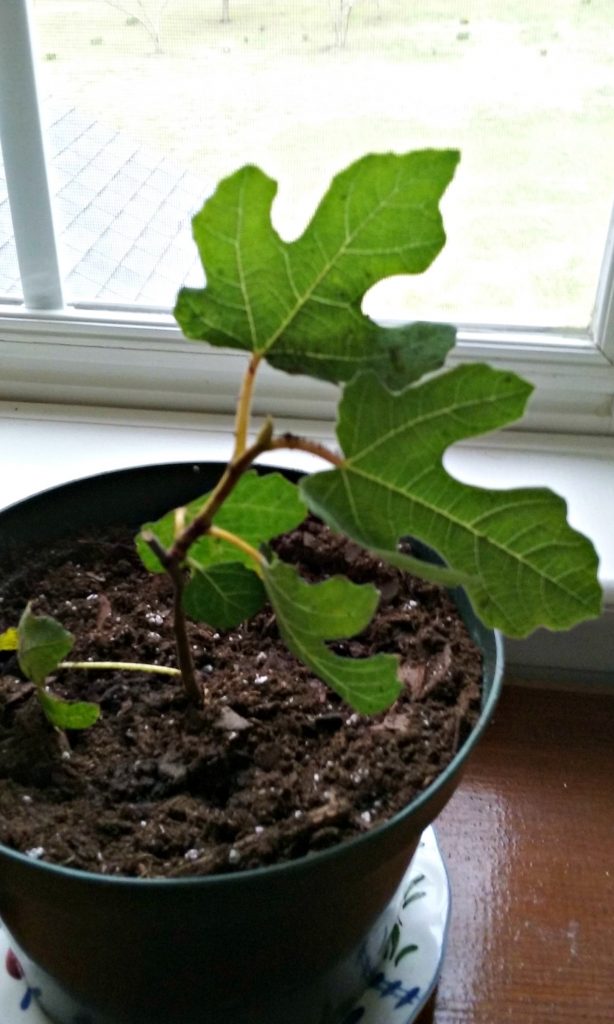
I especially like container growing for young plants because it gives you flexibility. You can learn how the plant responds to your conditions before deciding whether you want to plant it permanently in the garden. I started my trees in containers, and keep some in containers on the back deck year-round.
Make sure the container has excellent drainage. As the tree grows, you’ll eventually need a larger, heavier container with enough room for its expanding root system. I use recycled pots from the nursery. I bought trees and shrubs, and save the bigger containers to use for trees like figs.
Once the tree becomes dormant, a container-grown fig can be moved into an appropriate protected space, such as an unheated garage or shed, rather than being left exposed to the lowest winter temperatures. The goal isn’t to keep a dormant fig warm and actively growing all winter. It’s to protect the roots and wood from potentially damaging cold. I don’t bother to move my “Chicago Hardy” plants in zone 7B, but if you are in a colder zone, or grow a less cold-tolerant variety, you may wish to do this.
How to Protect Fig Trees During a Virginia Winter
Winter protection is one of the most important parts of growing figs in the colder portions of Virginia. one reason that I chose Chicago Hardy is that is does not need winter protection! It’s a vigorous, healthy fig that does just fine in my piedmont garden without any winter protection at all.
However, if you choose a less cold-tolerant variety, you will need to protect them. An established tree may tolerate conditions that could seriously damage a young fig tree. Location and variety matter, too. For an in-ground tree, a protected location can help. Mulching the root area can provide additional insulation, while gardeners in colder climates sometimes protect the above-ground plant with breathable insulating material.
Avoid wrapping the tree tightly in plastic. You don’t want to trap moisture against the plant. Young trees generally deserve the most attention. Once a fig becomes well established, its root system may be able to survive winter conditions even when some of the top growth is damaged.
For container-grown figs, protecting the root ball is particularly important because roots in a pot are more exposed to cold than roots insulated by the surrounding ground.
What Happens If a Fig Tree Freezes to the Ground?
Don’t give up on it too quickly. A cold winter can kill some or all of the branches while leaving the roots alive. Once spring arrives, new shoots may emerge from the base of the plant. The disadvantage is that severe winter dieback can affect when and how much fruit you get. That is one reason variety selection and winter protection matter so much in Virginia.
Do You Need Two Fig Trees to Produce Fruit?
No, not for the common fig varieties typically grown in Virginia gardens. Many common figs produce fruit without requiring pollination, a process called parthenocarpy. That means you don’t have to buy two fig trees just so one will produce fruit. If you’re shopping for an unusual or specialty fig variety, however, check its individual requirements rather than assuming that every type of fig behaves exactly the same way.
When Do Figs Ripen in Virginia?
Typically in late summer into the fall. However, it depends on the variety.
How Do You Know When a Fig Is Ripe?
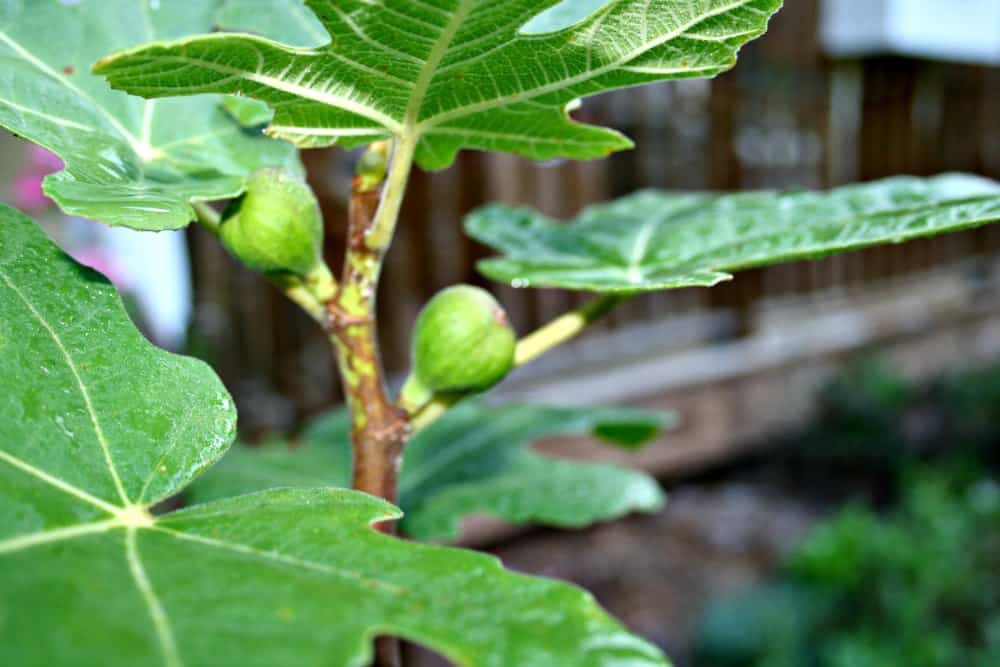
This was something I had to learn because figs behave differently from many familiar fruits. Don’t harvest them simply because they’ve reached what looks like the right size. A ripe fig generally becomes softer, changes color according to its variety, and begins to droop or hang downward from the stem. The exact appearance depends on the cultivar.
The reward for waiting is worth it. Few things compare with eating a perfectly ripe fig straight from the tree. But be careful when harvesting really ripe figs as you may find hornets, yellow jackets, and wasps in them. They tunnel in when the fruit gets soft. I tap the fig with my fingernail before picking it to encourage any ‘visitors’ to leave.
Why Aren’t My Figs Ripening?
This can be particularly frustrating for Virginia gardeners as summer begins turning into fall. You’ve got fruit, but none of it is ripening. What’s going on?
Several factors can cause figs to stay green, hard, and immature:
- The tree isn’t receiving enough direct sun.
- The variety needs a longer growing season.
- Winter damage delayed spring growth.
- The plant is putting too much energy into vegetative growth.
- Drought or inconsistent watering stressed the tree.
- Fruit formed too late in the season to ripen before cool temperatures arrived.
Before doing anything drastic, start with the basics: variety, sunlight, water, winter damage, and the date when the fruit began developing.
My Experience Growing Figs in a Zone 6b Virginia Garden
Growing fig trees in Virginia was a goal of mine for years. Ever since I tasted my first fresh figs, I wanted fig plants of my own. When the opportunity finally came to grow them in my Virginia garden, I chose Chicago Hardy because cold hardiness is particularly important where I live.
But my desire to grow figs actually started many years earlier, thanks to a guy named Anthony.
Why I Fell in Love With Fig Trees
Anthony worked with me at a financial services company in New York City in the 1990s. He lived in Queens, New York. If you’ve ever driven through some of the older Queens neighborhoods during the winter, you may have noticed what look like “mummies” standing on small front lawns. Many of them are actually fig trees wrapped for winter protection.
Anthony lived in his Italian grandfather’s former home. On the property was a beautiful old fig tree that had been growing there for decades. It was an Italian Honey fig, with green-skinned fruit that was wonderfully sweet. He would bring large containers of fresh figs into the office and leave them for everyone to enjoy. My coworkers and I would gorge ourselves on them. Until then, I hadn’t realized just how good a freshly picked fig could be.
I fell in love with figs thanks to Anthony and promised myself that someday, when I had my own garden, I would grow them. Now I do.
And that’s what makes experimenting with fig trees here in Virginia so much fun for me. It isn’t simply another plant in the garden. It’s something I’ve wanted to grow for decades.
Frequently Asked Questions About Growing Figs in Virginia
Can fig trees survive winter in Virginia?
Yes, but winter survival depends on your location, the variety, the severity of the winter, and the tree’s growing conditions. Virginia ranges roughly from USDA Zones 5b through 8b, so gardeners in colder areas generally need to pay more attention to winter protection.
What is the best fig tree for Virginia?
There isn’t one variety that’s best everywhere in the state. Chicago Hardy is worth considering where cold tolerance is a priority. Brown Turkey is widely grown, and Celeste is another variety recommended in regional Virginia gardening guidance.
Can I grow a fig tree in a pot in Virginia?
Yes. Container growing is especially useful in colder parts of the state because the dormant tree can be moved into a protected location for the winter. Virginia Tech specifically recommends considering container production in colder Virginia locations.
How much sun does a fig tree need?
Give your fig tree a location with approximately eight hours or more of direct sunlight whenever possible. Adequate sunlight helps the tree grow and, importantly, gives the fruit the heat and light it needs to ripen.
Do I need two fig trees to get fruit?
No. Common garden figs can produce fruit without another tree for pollination.
Growing Figs in Virginia Is Worth the Effort
Figs aren’t completely carefree in every part of Virginia. In colder locations, you’ll need to think about variety selection, microclimate, winter protection, and whether growing in a container makes more sense than planting directly in the ground.
But don’t let that discourage you. Choose a cold-hardy variety, provide plenty of sun and good drainage, protect young plants when necessary, and give your tree time to establish itself. For me, growing figs in my Virginia garden fulfilled a dream that began decades ago with those containers of wonderfully sweet figs Anthony brought to work.
And when you finally pick a ripe fig from your own tree and eat it warm from the Virginia summer sun, you’ll understand why I wanted one for so long.
Originally written April 2018. Completely updated November 2026 with additional Virginia-specific growing information and current growing guidance.