We’re heading towards fall in zone 7. What veggies can I plant now in the temperate zones (Gardening Zones 6, 7, 8?)
Vegetables to Plant in the Fall
Although summer is winding to a close, there’s still time to plant more vegetables in the raised bed garden. Raised beds are ideal for growing late season crops. If a frost is in the forecast in late autumn, you can easily place a cloth, blanket, or newspaper over crops growing in a raised bed.
What Veggies Can I Plant Now in Late Summer?
If you’re wondering what veggies can you plant now, the answer is simple: cool weather crops. Think of what grows well in the cool spring weather. These are the most likely crops to grow now in the fall vegetable garden.
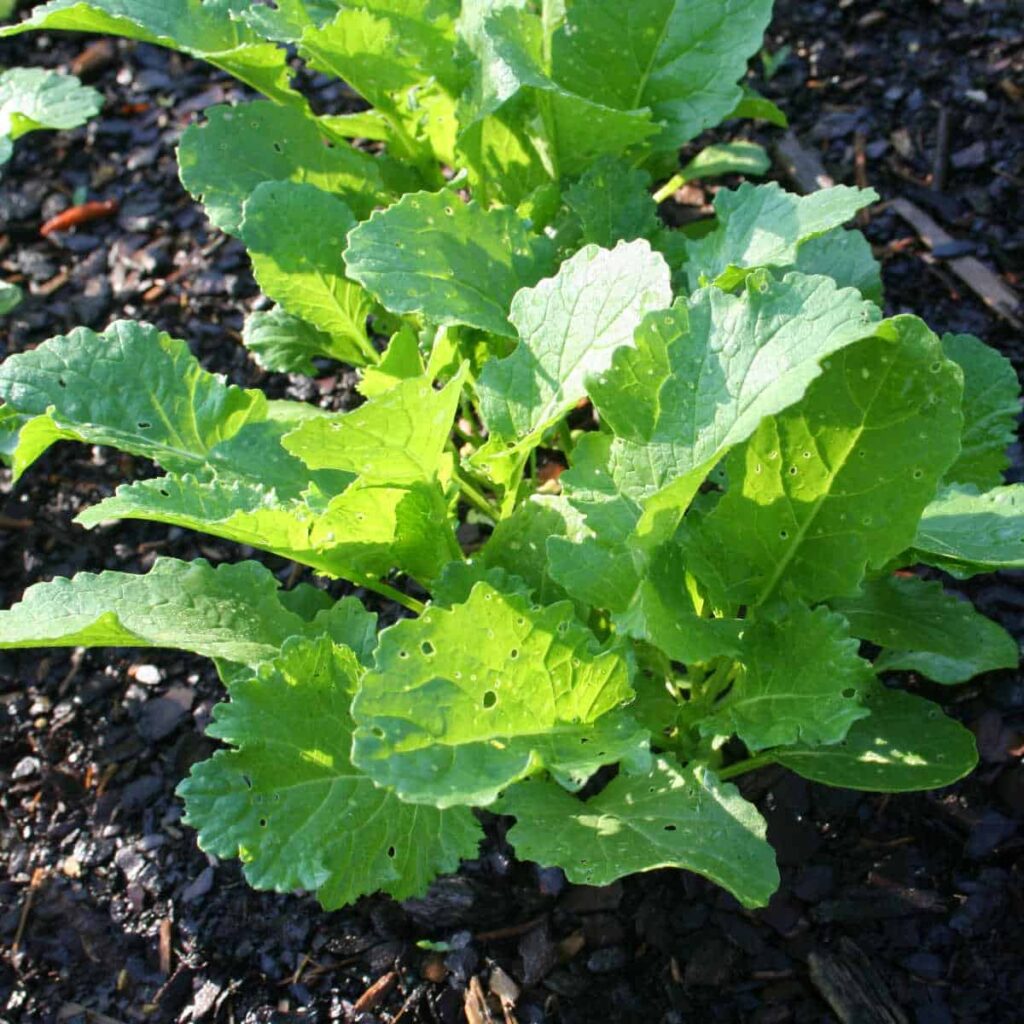
Greens: Lettuce, Kale, Mustard Greens, Collard Greens
Fall is an excellent time to grow greens: kale, lettuce, mustard greens, collard greens. First, remove all of the plants currently in the raised bed. I like to rotate cucumbers and squash (Cucurbitaceae family plants) with those in the leafy vegetable family.
Sometimes here in the south, it is too hot to plant greens. Lettuce seeds do not germinate well in warm soil. This is where if you have any shade in the vegetable garden you can put it to good use. Shady soil remains cooler than soil in full sunlight. So, plant your lettuce and greens in shaded soil in the late summer for a fall crop.
Sow greens directly from seed directly into the soil. Before sowing seeds, add plenty of compost. Water the seeds and keep moist until they germinate.
Broccoli, Cabbage, Cauliflower (Brassicaceae)
What veggies can I plant now? Fall vegetables immediately come to mind – broccoli, cabbage, cauliflower, Brussels sprouts. Purchase seedlings from the garden center or start seeds in trays. Transplant them into the garden when they have at least two sets of leaves.
During the fall, cabbage moths are prevalent, and they look for young, tender plants to lay their eggs. The cabbage moth looks like a white butterfly. Females lay eggs on the leaves of many plants in the Brassicaceae family. The larvae look like small green worms. They eat holes through the leaves, often leaving a lacework of leaf vein behind.
Use floating row covers (special cloth that allows light, water and air through but keeps bugs out) over these veggies to keep cabbage moths from destroying the crop.
Radishes, Beets and Turnips
We’ve had limited success here in Virginia planting beets in the raised bed in the fall. The beets tend to remain small, but the added fresh beets to salads is a welcome treat. Sow beet seeds directly into the soil.
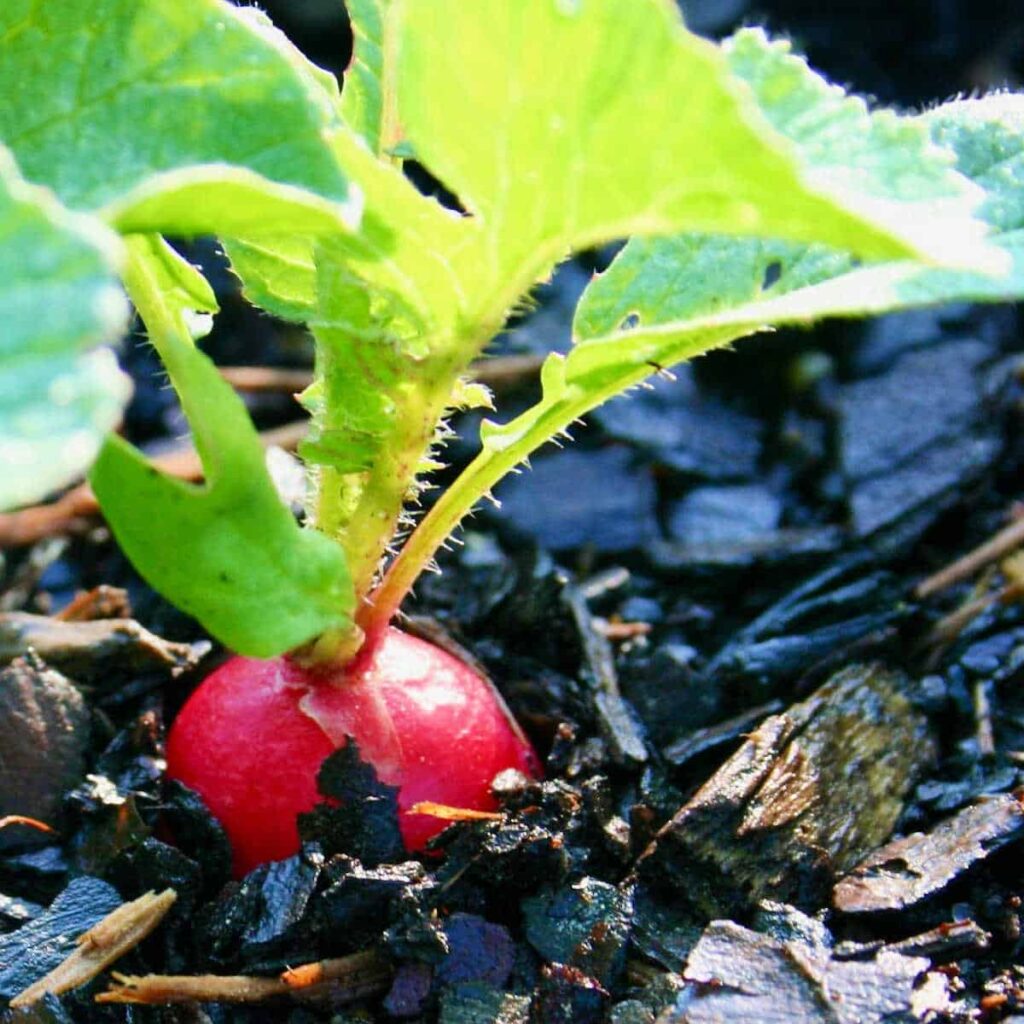
Radishes can be grown closer to the end of fall. They grow quickly from seeds sown directly into the raised bed soil. However, hot weather will make them very bitter and woody. Sow as close to the cold weather as you can for best flavor.
Turnips love fall weather and grow vigorously throughout the fall. They can be left in the garden even after a frost. I’ve harvested turnips long into November here in the piedmont of Virginia. Plus, late season turnips can be pickled, another treat!
Like beets, sow turnip seeds directly into the soil.
Garlic
Garlic may not immediately come to mind when you think “What veggies can I plant now?” but fall is the time to plant many varieties of garlic.
We plant garlic cloves in the raised beds near the second week of October (Columbus Day). The cloves grow throughout the winter. The final garlic bulbs may be harvested around Memorial Day. So, be sure you plant garlic in raised bed gardens in areas where you do not intend to plant any early spring crops.
One tip: keep weeding garlic throughout the winter. Small weeds have a habit of growing among the young garlic seedlings. In the spring, these weeds can quickly smother the garlic, creating both an unsightly mess and competition for nutrients and water between the weeds and the garlic. Just because it is winter, you still need to pull weeds!
Get Maximum Crop Yield from Your Raised Bed Vegetable Garden
Raised bed vegetable gardens are ideal for multi-season gardening. From early spring to late fall, your raised bed can continue to produce healthy, fresh vegetables.