
These five essential gardening tools are a “must have” for new gardeners. They will make your gardening time not only more enjoyable, but more productive.
The Gardening Tools You Can’t Live Without
Friends who are new to gardening often ask me what tools they need. I think you can start a garden with only a few tools. Most homeowners have only a few basic tools in their toolbox, right? A hammer, pliers, screw drivers, maybe a saw…and that’s it. Your garden toolbox can also start off with just a few simple gardening tools. You can add more as your interest and love of gardening grows over time. My five essential gardening tools include…
- A sturdy hand trowel: My hand trowel is pictured above and right. It was actually a father’s day gift for my dad back in the 1990s when I was working as a marketing manager for a garden center. The shop received a box of the most wonderful ergonomic garden trowels I’d ever seen, and I quickly purchased one for my dad. He loved it, and after he died, I inherited it. It has a very sturdy, thick rubber handle that’s curved perfectly to fit my hand, and a solid steel end that doesn’t rust. The only drawback is the black handle; I prefer brightly colored handles on my garden tools, since I tend to put them down and lose them in the garden beds. A good trowel is an absolute necessity. You’ll use it to plant flowers and vegetables, dig up vegetables, dig lines in the soil to plant seeds, and even to dig up weeds. I have several trowels, including a long, narrow one that I use especially to dig up dandelion weeds. Tip: Keep gardening tools like trowels in a shed or garage and away from the elements to help them last longer. Clean the metal portion after gardening by wiping it with a rag.
- A good pair of pruning shears: My favorite brand is Felco. Felco #5 pruners are a staple tool of many professional gardeners and I have a pair that has served me in good stead for many years. The bright orange-red handles make them hard to lose in the garden. A good pair of pruning shears or hand pruners can be used to snip flowers or trim bushes. It’s one of my favorite essential tools in the garden. Tip: Good-quality pruners are an important investment. They should last for many years. Some brands, like Felco, have blades that can be changed instead of sharpened. Keep pruners sharp and change the blades if they get dull.
- A long-handled shovel: Shovels are useful for turning compost, digging holes to plant trees and shrubs, and many other garden tasks. Look for a shovel that’s both lightweight and sturdy – not an easy task. The edge of the shovel blade should curve slightly, and the handle should be long enough so that you don’t feel like you’re straining to lift it every time you shovel compost into a flower bed. Tip: Clean shovels after use by running water over the metal end. If the handle begins to splinter, change it out or run tape over the splintery part to keep your hands clean.
- A garden hoe: Hoes come with solid blades, pointed blades, flat blades, and even tines on the end. I have each type and they all come in handy on any given weekend, depending on the task at hand. I used the hoe with heavy-duty tines on the end to pull up mats of grass in my potato beds a few weeds ago. The flat-blade hoe works well in large areas of the flower garden, and the pointed-edge hoe with its triangular head is great to dig long trenches in the vegetable garden beds in the spring to plant seeds. Start with a standard flat-edge hoe until you feel comfortable using it. The trick to weeding with a hoe is to flick the edge in and up, to uproot the weeds rather than slice them off at the surface. Tip: Hang up your garden tools in the garage or shed when they’re not in use so you don’t trip over them or run over them with your car. Most home and garden centers sell wall-mounted tool racks that have clips to hold each implement in place. Get in the habit of hanging up your tools after every use. Recommended: The CobraHead weeding tool, a great tool to get rid of pesky weeds.
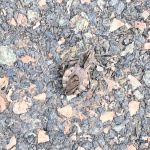
- Gloves: Garden gloves are a must-have for your gardening tools, and not just to keep your manicure perfect. A few weeks ago I wrote about the saddleback caterpillar and how my husband got stung by this ugly beast when he brushed against it in the garden. Around here in south central Virginia, we have black widow spiders a plenty in the garden. I’ve moved aside a rock to pull out weeds in the flower bed and disturbed very large black widows. They won’t bite unless you get too close or brush against them, but I’m not taking any chances; a visit to the emergency room won’t be any fun, that’s for sure. We have weeds with large, hooked thorns, deadly spiders, and stinging caterpillars, not to mention poison ivy, poison oak, and poison sumac. Yes, it’s heaven on earth for me here even though this list of things that can hurt you in the garden sounds scary! I tend to go through a lot of gardening gloves each year because my right hand is slightly larger than the left. My index finger on the right hand always pokes through the tip of the glove first. I purchase cloth pairs at the dollar store each year, and those are my every day gloves. I have a heavy-duty pair of rubber gardening gloves for wet days, and suede and leather ones to wear while I prune the roses or blackberry canes. Purchase and use your gardening gloves every time you garden. Tip: Store gardening gloves indoors. If you must store them in the garage, place them in an enclosed container after they dry off. My dad once put on a pair of gardening gloves he had left out in the garage and was badly stung by a wasp that had crawled into the fingertip. Before he could get the gloves off, the wasp had stung him multiple times, and his hand swelled up to twice its size. Don’t leave your gloves out where curious wasps, hornets, yellow jackets and spiders can crawl inside. Keep them inside or in a container away from insects. Recommended: Honey Badger gloves. TOUGH and great for keeping hands clean.
Get Ready to Garden
I’m lucky in that I inherited a great deal of my gardening tools from my dad, my husband’s parents and grandparents; no one else in his family enjoys gardening the way we do, and many of our tools are decades old. That’s the beauty of well-made gardening tools. With the right care, they can last a lifetime.
Updated August 2022 with updated links and formatting.
Good morning Jeanne! Another great post today. I have added the page to stumbleupon!
Thank you Maureen – you are too kind. I appreciate it!
Great tips for storing your garden tools.
Thank you for dropping by and leaving a comment! I appreciate it.
From a fellow gardener, thanks for the great info.
Thank you Karen! I’ve enjoyed your blog too. It’s nice to see you here. I hope you enjoy Home Garden Joy. Warmly, Jeanne