• Skip to primary navigation
  • Skip to main content
  • Skip to footer
Home Garden Joy
  • Home
  • How to Garden
    • Garden Pests
    • Plant Diseases
    • Raised Bed Gardening
    • Seed Starting
    • Tools & Equipment
  • Plants
    • Plant Profiles
    • Vegetables
    • Fruit
    • Herbs
  • Recipes
    • Canning and Food Preservation
  • Books & Classes
    • Books by Jeanne Grunert
    • Books for Christian Herbalists
    • Herbalism Classes
  • About
    • Privacy Policy

Making Herbal Teas

June 1, 2024 by Jeanne

Making herbal teas is just one fun way to use the dried herbs from your garden. I love knowing that the herbs in my cup of tea are from my own garden. You don’t need any fancy equipment to make your own herbal teas, although purchasing a few things does help. Here’s how to make your own herbal teas.

Which Herbs Can You Use?

You can use typical tea herbs such as mint, lemon balm, and lemon verbena. Or you can use culinary herbs such as oregano and sage. Believe it or not, oregano tea is quite refreshing.

Be sure that the herbs you use for teas are:

  • Accurately labeled if you grow them yourself.
  • Organic (not sprayed with pesticides or chemicals).
  • Dried and stored properly.

Only use herbs that you know and enjoy as culinary herbs. Make sure you are using edible tea herbs and only ones you know. Culinary herbs such as mint, lemon balm, lemon thyme, and chamomile make fine herbal teas for beginners.

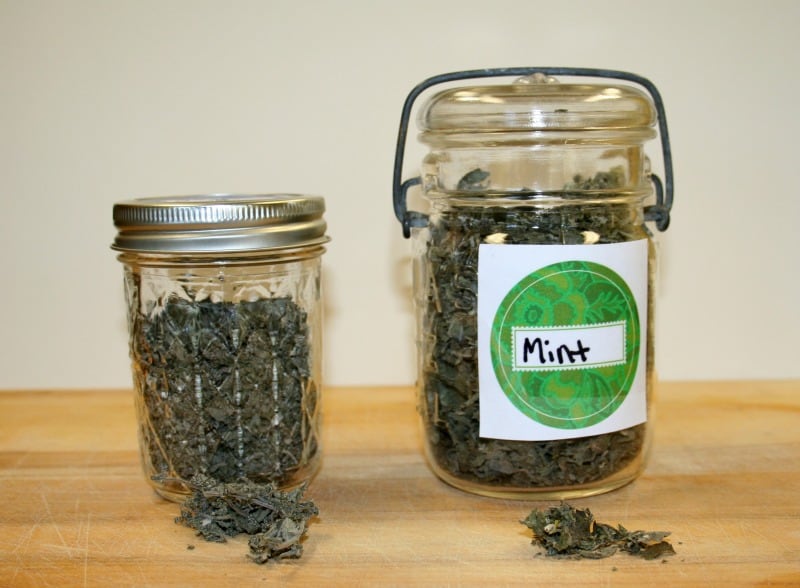
The easiest herbal teas to make are mint teas. I dry a blend of spearmint, apple mint and peppermint into a tea blend that’s delicious. I enjoy it with dried lemon balm or on its own.
herbal-tea-1

But What Do I Use for a Tea Bag?

If you’re using dried herbs from your garden, you’re naturally wondering what to do about the tea bag. After all, drinking a cup of tea with a bunch of wet, sopping leaves at the bottom of the cup is no fun.

You have several choices to brew a cup of homemade herbal tea without mess:

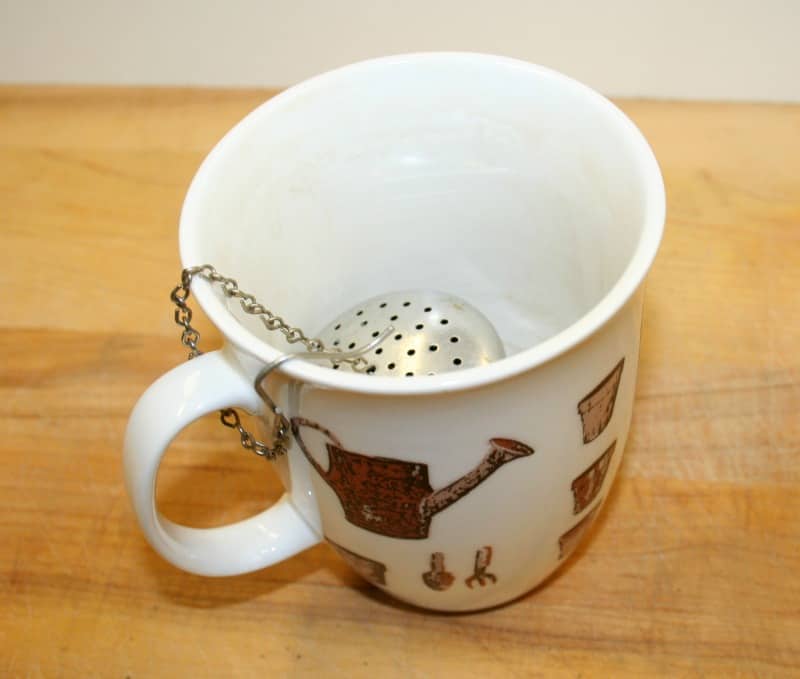
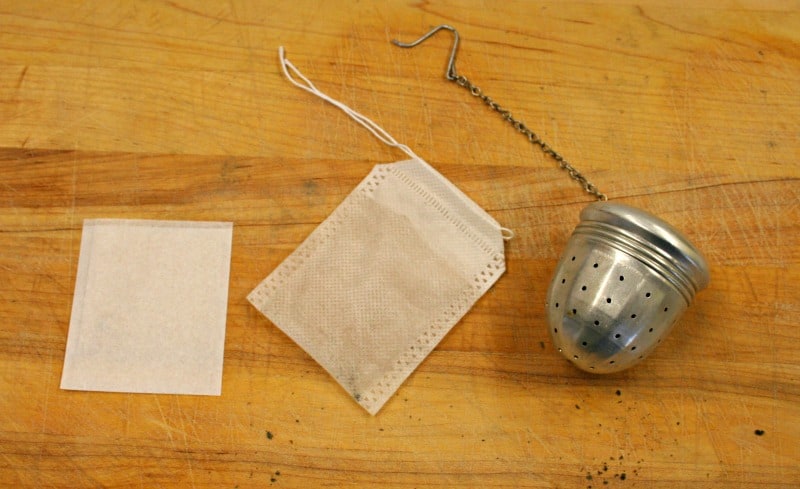
  • A metal tea infuser. Mine is shaped like an acorn. The top unscrews, and you spoon the herbs inside. There’s a chain and a hook that extends from the infuser. You hook it to the cup’s rim and let the herbs steep in the hot water.
  • A reusable muslin bag. You fill the bag with the tea of your choice and close it using the attached drawstring. When you are finished making a cup of tea, dump the herbs or tea leaves into the compost, rinse the bag, and air dry it for reuse.
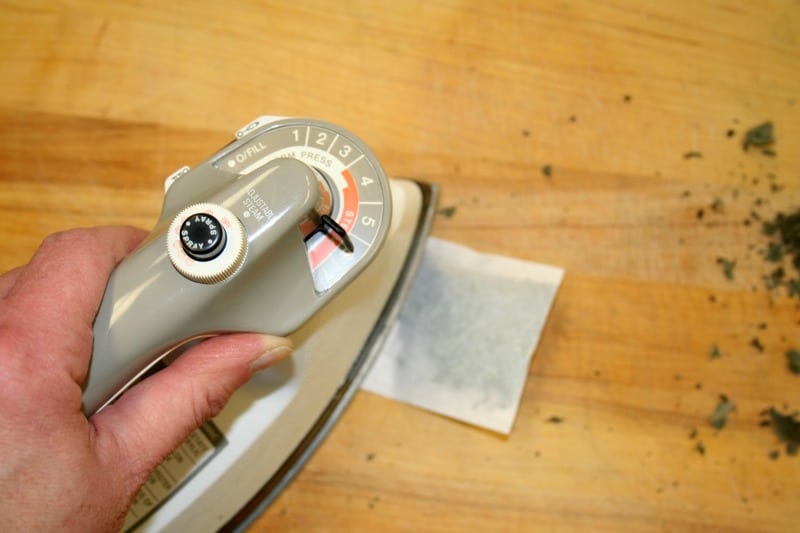
  • Disposable tea bags. These disposable tea bags are made from paper, similar to coffee filters. You fill them with herbs and seal them shut using a hot clothes iron. They seal in seconds and are great to use if you make herbal teas as gifts.
tea-bags
There are three types of tea bags and infusers – from left to right: a paper tea bag sealable with an iron, a muslin bag with a drawstring, and a metal tea infuser.


tea-cup-1
The metal infuser has a chain and a hook, which can be looped through the handle to make it easy to remove from a hot cup of tea.


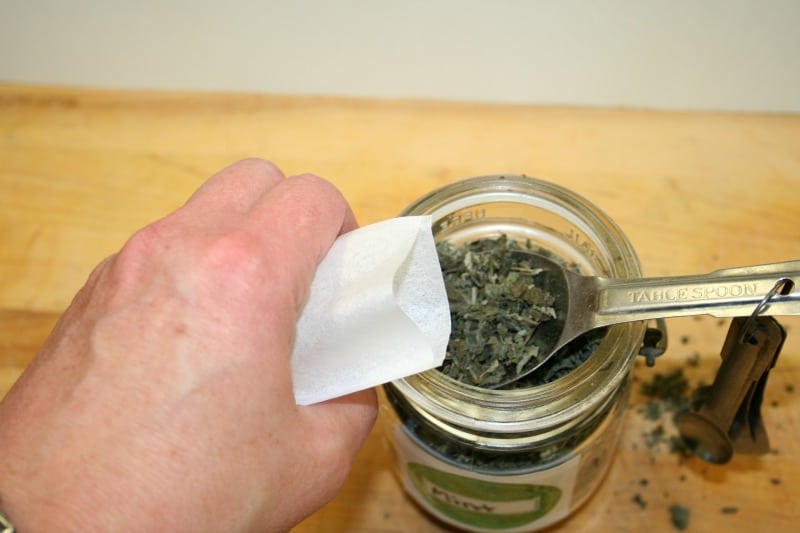
measuring-the-tea
Sealable tea bags are great for gifts. Spoon the dried herbs into the tea bag.


iron-the-tea-bag-closed
Seal them with a hot iron. Done!

How Much Herbs Should I Use?

You’ll need to experiment with the right amount of herbs for your tea. Most books instruct users to use one to two tablespoons of herbs per cup of tea. I’ve found that’s just about right for most herbs, but some stronger culinary herbs, such as sage, need a pinch less, and some of my herbs need a pinch more.
cannisters-for-tea

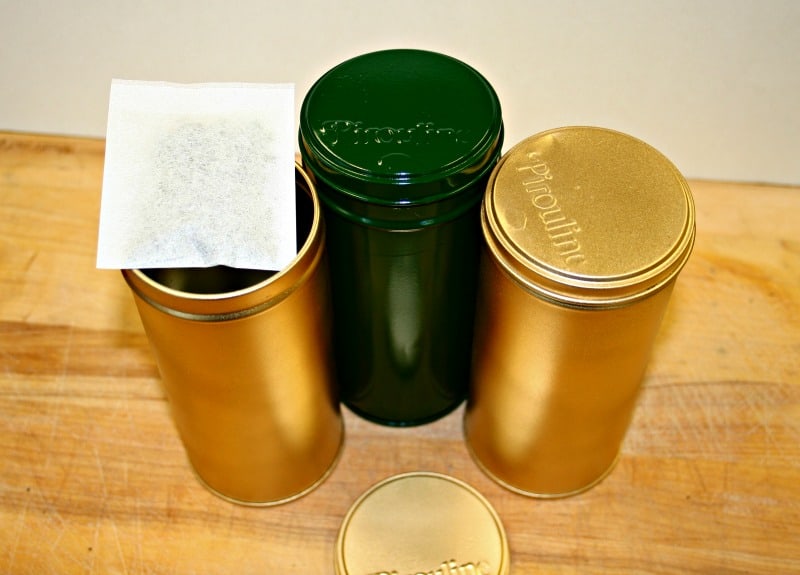
These cans are recycled cookie tins. I simply painted the outside gold or green (for the holidays), packed my homemade herbal tea blends sealed in tea bags in side, tied a ribbon around them, and they were ready for gifts.

Ready to Make Your Own Herbal Tea?

I love making herbal teas and hope you enjoyed this little introduction to making your teas. Below are more articles about growing various herbs and enjoying them. Don’t forget my course on how to grow herbs indoors during the winter. Our affiliate partner, The Herbal Academy, also offers many wonderful classes for herb enthusiasts.
Tea Blending 101 Mini Course
Herbal Academy Courses
  • Make the Perfect Cup of Herbal Tea
  • How to Use Herbs – Five EASY Projects to Use Herbs!
  • Why Apple Mint Will Be Your New Favorite Herb
  • Three Types of Mint


Filed Under: Herb Gardens

Previous Post: « Plant Profile: Lemon Balm
Next Post: How to Grow Cantaloupe »

Reader Interactions

Trackbacks

  1. Make the Perfect Cup of Herbal Tea - Home Garden Joy says:
    May 24, 2017 at

    […] Making Herbal Teas […]

  2. Wellness Wednesday: Medicinal Tea - Home Garden Joy says:
    February 28, 2018 at

    […] can make your own herbal tea bags to take with you to work, school, or on […]

Footer

red lettuce, mexican tarragon, and chard

The Best Organic Fertilizers

If you’ve been looking for ways to help your garden truly thrive — not just survive — organic fertilizers might just become your new best friend. They’ve become a cornerstone of sustainable gardening and farming, and for good reason: they don’t just feed your plants, they actually improve the health of your soil over time….

Read More

water droplets in sunbeams over a raised bed vegetable garden

Irrigation Tips for Home Gardens: Drip vs. Soaker Hose

Watering is one of the most essential tasks in maintaining a healthy home garden, yet it is also one of the most misunderstood. Many gardeners rely on overhead sprinklers or hand-watering, both of which can waste water and fail to deliver moisture efficiently to plant roots. Two of the most effective alternatives are drip irrigation…

Read More

chive plants in bloom with lettuce

The 10 Easiest Herbs to Grow

Grow them in pots, containers, window boxes, raised beds, or tucked among your flowers. These are the 10 easiest herbs to grow in almost any temperate garden. They take up little space, are generally unfussy, and are used in lots of recipes. What Do I Need to Start an Herb Garden? You don’t need a…

Read More

oatmeal muffins in the tin, just out of the oven

Easy Oatmeal Muffin Recipe

This easy oatmeal muffin recipe makes a tasty breakfast, tea-time treat, or snack. It’s a plain, unassuming, honest muffin: no dripping sweetness, no sugary topping. The freshly cooked old-fashioned oatmeal keeps the batter moist. If you do not overbake them (as I have done in the past), they retain this moist, fluffy texture. No, they…

Read More

  • About
  • Plant a Row for the Hungry
  • Awards
  • Privacy Policy

Let’s Connect!

  • Facebook
  • Instagram
  • Pinterest
  • Substack
  • YouTube

Copyright © 2026 Home Garden Joy on the Foodie Pro Theme