As you plan for your container vegetable garden this summer, let’s take a few minutes to talk about the types of containers for container gardening. You’ll need pots or containers of a specific size to grow the vegetables and herbs you want for your family.
Types of Containers for Container Vegetable Gardening
Next to the light requirements for your new backyard vegetable garden, the types of containers for container vegetable gardening is the second most important requirement.
You don’t need to spend a fortune on new pots and containers, although if you have a few dollars to spend I’ll give you tips on what to buy. It’s more important to find the largest sized container that you can to give your plants plenty of room.
Types of Pots and Containers: Plastic
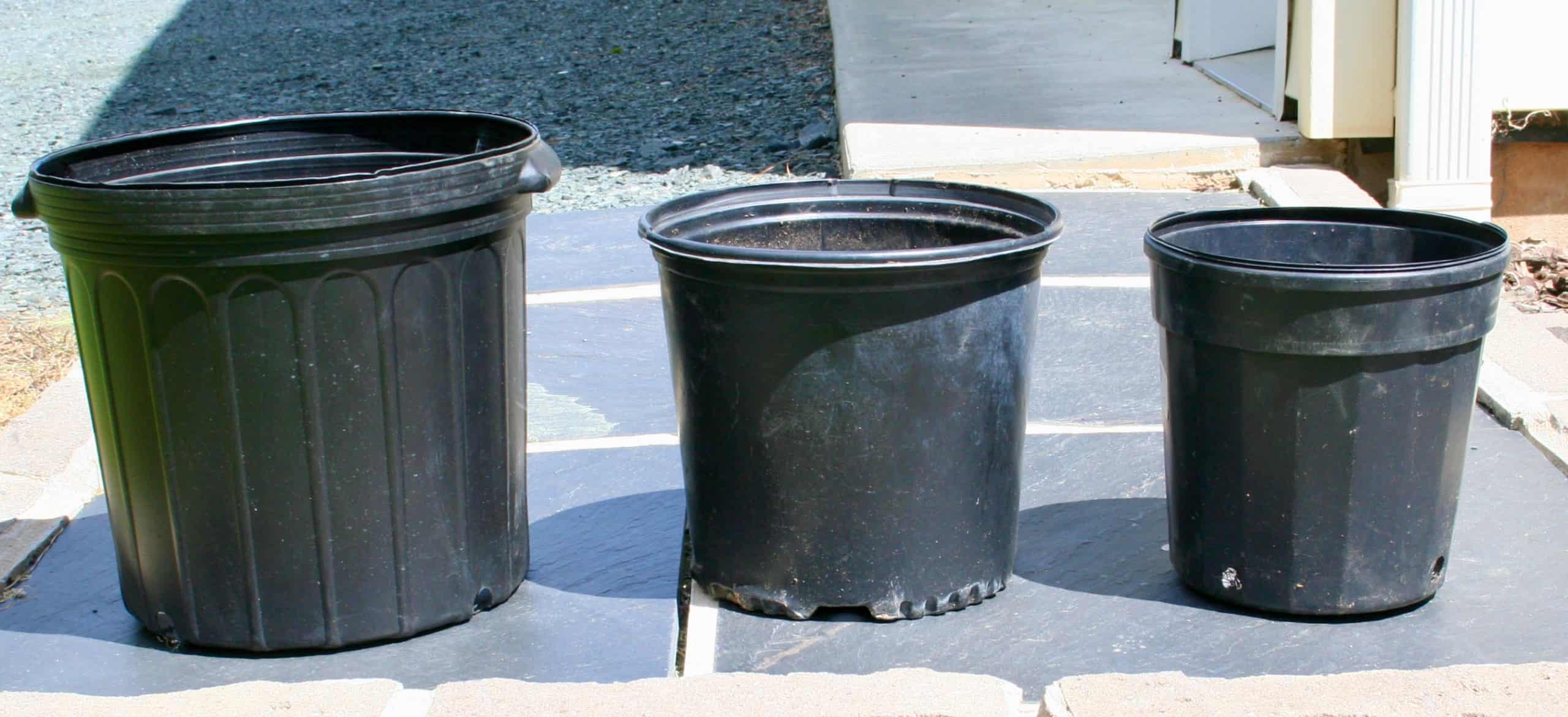
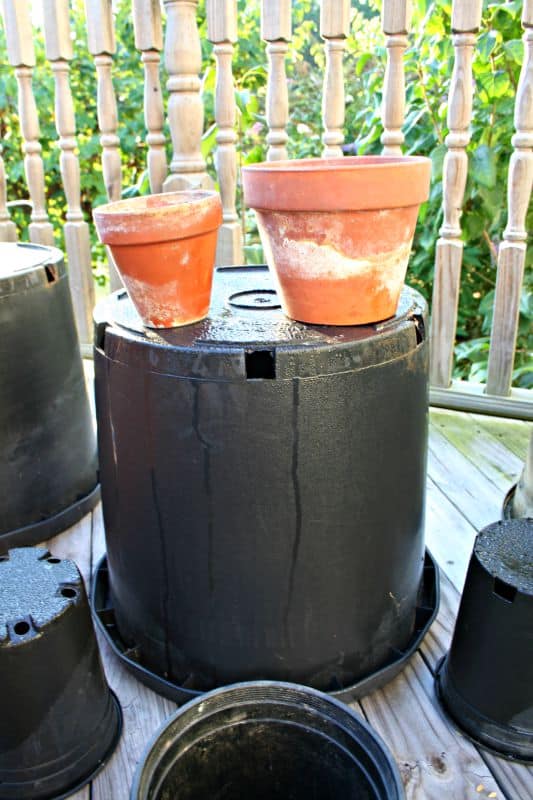
By far the most commonly used type of pot or container for container vegetable gardens is the plastic pot or container. They are easy to find, inexpensive or free, and work well for many types of plants.
You can buy new containers at your local home and garden center. I save the containers from trees, bushes, and perennials that we purchase for the garden. After cleaning them with a solution of 1 tablespoon of household bleach to one gallon of water and rinsing them well, they are ready for reuse.
You can often find similar containers out at the curb on garbage night if you live in a town or village with trash pickup. When I lived in the suburbs, I found many wonderful pots and containers for my container vegetable garden free and for the taking on trash nights!
Types of Pots and Containers: Whiskey Barrels
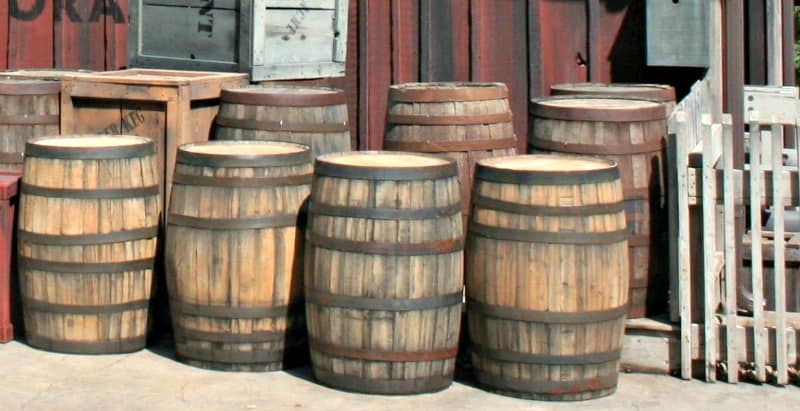
As the name implies, whiskey barrels are actually barrels that once housed whiskey (or could have). Garden centers often sell full whiskey barrels or half-sized ones. Both make good containers for vegetable gardens if they have drainage holes drilled into the bottom.
NOT Recommended: Old Tires
I’ve seen pins on Pinterest recommending stacking old tires and using these as planters for vegetables. While they may be fine for flowers, they should not be used for vegetables.
Tires are made of plastics, rubber, and other materials that when they degrades, can produce harmful chemicals. These chemicals leach into the soil. Plants absorb them through the roots. Then they become part of the fruits or vegetables that you eat.
Oil, road salt, gasoline, and many other chemicals are also absorbed by tires over the years of use. These chemicals can also return to the soil.
Do you really want to eat that?
Some say that unless you shred the tire, it is safe for use. I prefer not to take a chance. My recommendation is to avoid those tire-gardens except for growing flowers. Then, reuse and recycle to your heart’s content!
Importance of Drainage Holes
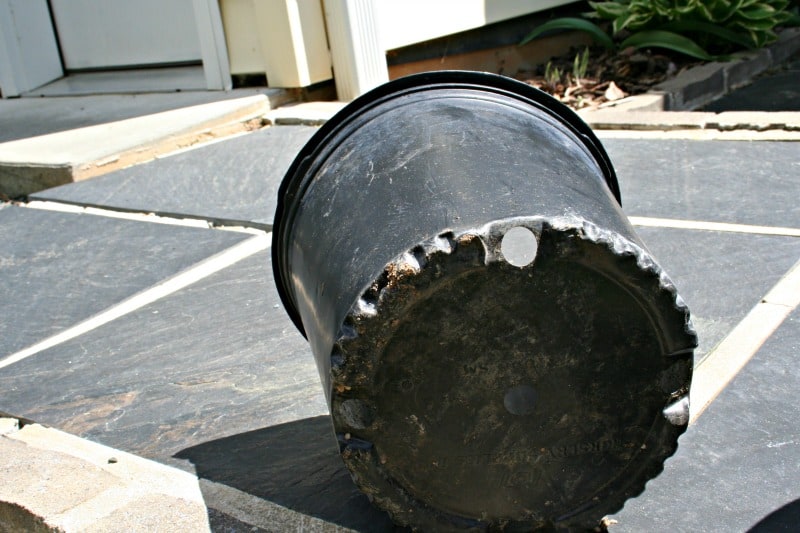
You can see from my samples that each container has several drainage holes drilled through the bottom. This is very important. Drainage holes allow water to drain away from the container. Without drainage holes, your plant can become waterlogged and rot from too much rain or water trapped in the soil. Always make sure that your containers have at least three drainage holes spaced around the bottom.
If you are worried about water spilling out from the bottom of the container onto your deck or onto a neighbor below, then place a large saucer or tray underneath to catch the drips.
Sizes of Containers for Container Gardens
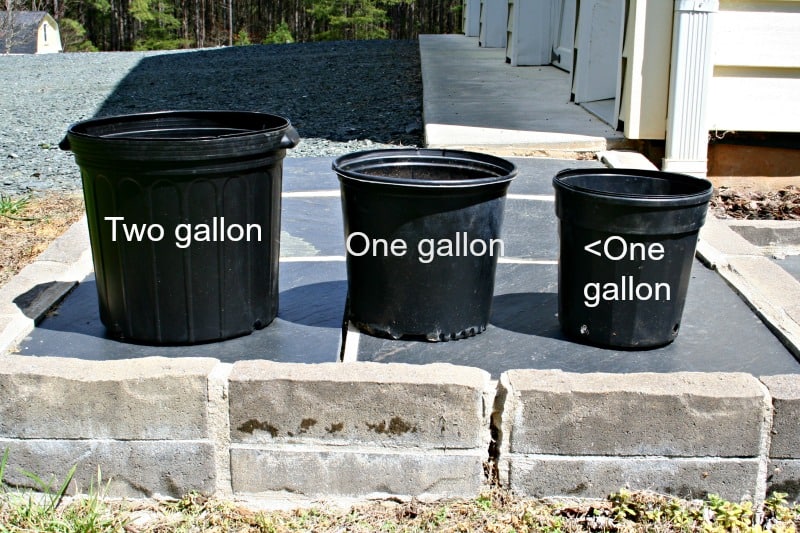
As you look through your stack of recycled and repurposed containers, or you shop for new containers at your favorite garden center, look for larger containers. You can use small containers (half gallon size) for herb plants or lettuce, but the bigger the container, the more you can grow!
I’ll have a handout for you soon that will give you guidance on the size of containers to use to grow different types of vegetables.
In the meantime, the picture below shows you three containers from my shed. They are identified by size. The largest size is a two-gallon container. This could be used for one cherry tomato plant, a pepper plant, or an eggplant. The one-gallon size would be fine for a pepper, some root vegetables like carrots, or a small lettuce garden. And the smallest size is terrific for growing herbs.
Container Garden How-To
Looking for container garden how-to articles? Learn all about growing a container garden here!
Recommended Products
The following are affiliate links. We are a participant in the Amazon Services LLC Associates Program, an affiliate advertising program designed to provide a means for us to earn fees by linking to Amazon.com and affiliated sites. Thanks so much for being a part of Home Garden Joy!
Plant Caddy with Wheels – 2 Pack


VIVOSUN 5-Pack 20 Gallon Plant Grow Bags, Premium Series


Book – The Postage Stamp Garden