July brings long, sunny days and plenty of garden rewards—but also rising temperatures that can stress plants, pollinators, and gardeners alike. With a few smart adjustments to your routine, you can keep your garden healthy, colorful, and productive all summer. Here are our top July gardening tips to help you make the most of the season.
Time Your Garden Chores Wisely
Summer heat can make midday gardening miserable for both you and your plants. Whenever possible, tackle weeding, pruning, and planting during the cooler early-morning or late-evening hours. Your plants will handle the disturbance better, and you’ll avoid the worst of the day’s heat.
Refresh Your Flower Beds
By July, spring flowers like pansies often start wilting under the summer sun. Pull out any spent blooms and replace them with heat-loving annuals. This is also a great time to shop, since nurseries frequently discount older stock to make room for new inventory.
If you haven’t pruned your chrysanthemums yet, do it now. Cutting them back encourages fuller, later-season blooms in the fall instead of premature flowering during the summer heat.
Water Smart
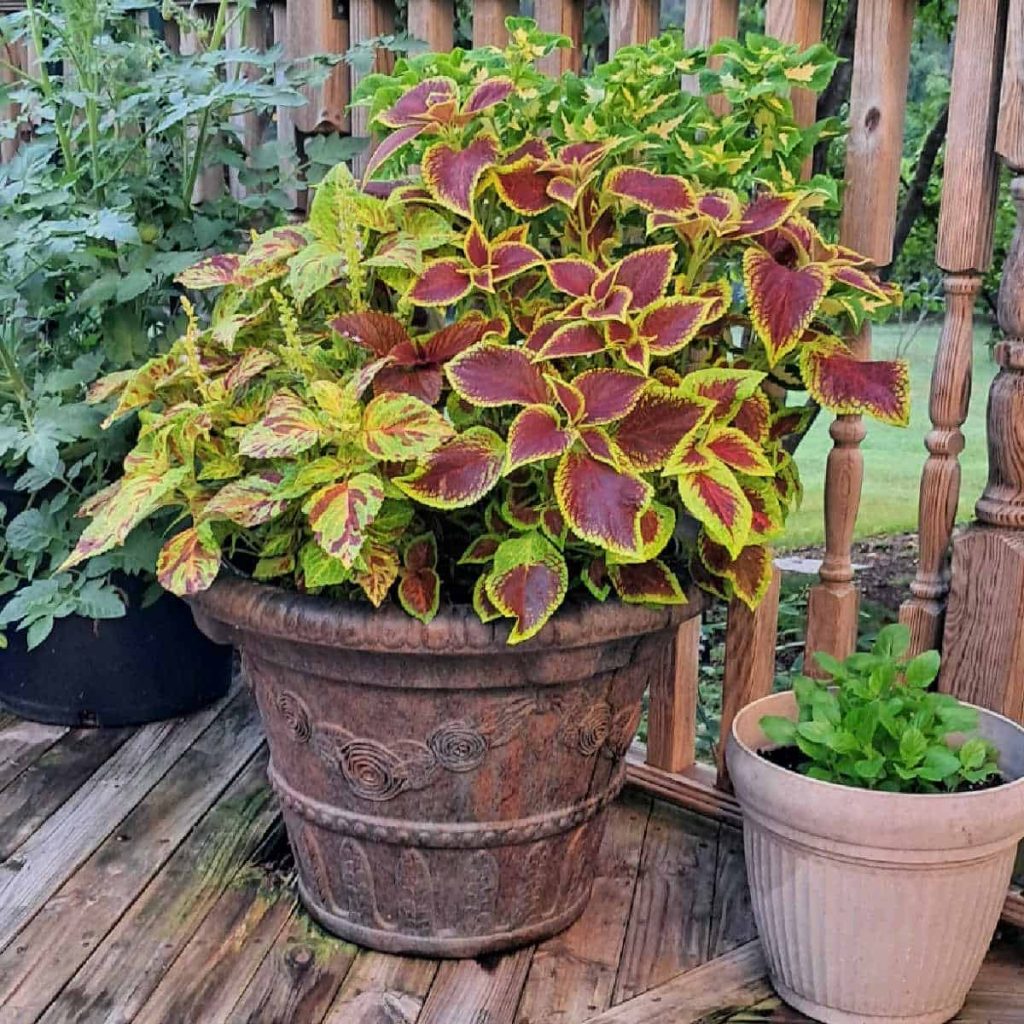
Consistent watering is one of the most important July gardening tips, especially for container gardens. Window boxes, planters, and pots should be watered daily, since they dry out much faster than in-ground beds.
For timing, evening watering helps conserve water by reducing evaporation. However, if your garden struggles with mildew or mold, switch to morning watering instead—this allows foliage to dry out during the day rather than staying damp overnight.
For vegetable gardens and larger beds, consider a soaker hose or drip irrigation system. These deliver water directly to the roots where it’s needed most, minimizing waste.
Watch for Pests—The Organic Way
Slugs are a common July nuisance, leaving behind silvery, slimy trails and eating leaves from the edges inward. A simple, low-cost trap is to place a small amount of beer in a tilted, capless bottle near affected plants—slugs are drawn to it and get trapped inside.
Another effective, plant-safe option is diatomaceous earth, a natural powder made from fossilized diatoms. Sprinkled around your plants, it won’t harm them but will damage the exoskeletons of soft-bodied insects like slugs.
Care for Backyard Wildlife
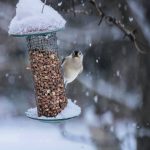
Don’t stop feeding the birds just because summer has arrived—keeping your feeders stocked won’t create dependency, and your feathered visitors will appreciate the reliable food source.
Bird baths need regular attention too. Give them a quick scrub with a dedicated brush each time you refill them to prevent algae and bacteria buildup. If you have hummingbird feeders, rinse them thoroughly and refresh the nectar regularly to keep them safe and appealing.
Keep the Blooms Coming
For a steady supply of cheerful flowers, succession plant fast-growing annuals like sunflowers every couple of weeks. This staggered planting ensures continuous blooms rather than one short burst of color.
It’s also a good time to start thinking ahead—fall bulb catalogs typically begin arriving in July. Keep them handy and start planning your bulb orders for autumn planting.
Stay on Top of Maintenance
Weeds grow just as fast as everything else in the summer heat, so keep up with regular weeding. Adding a fresh layer of mulch helps suppress weeds, retain soil moisture, and keep roots cool.
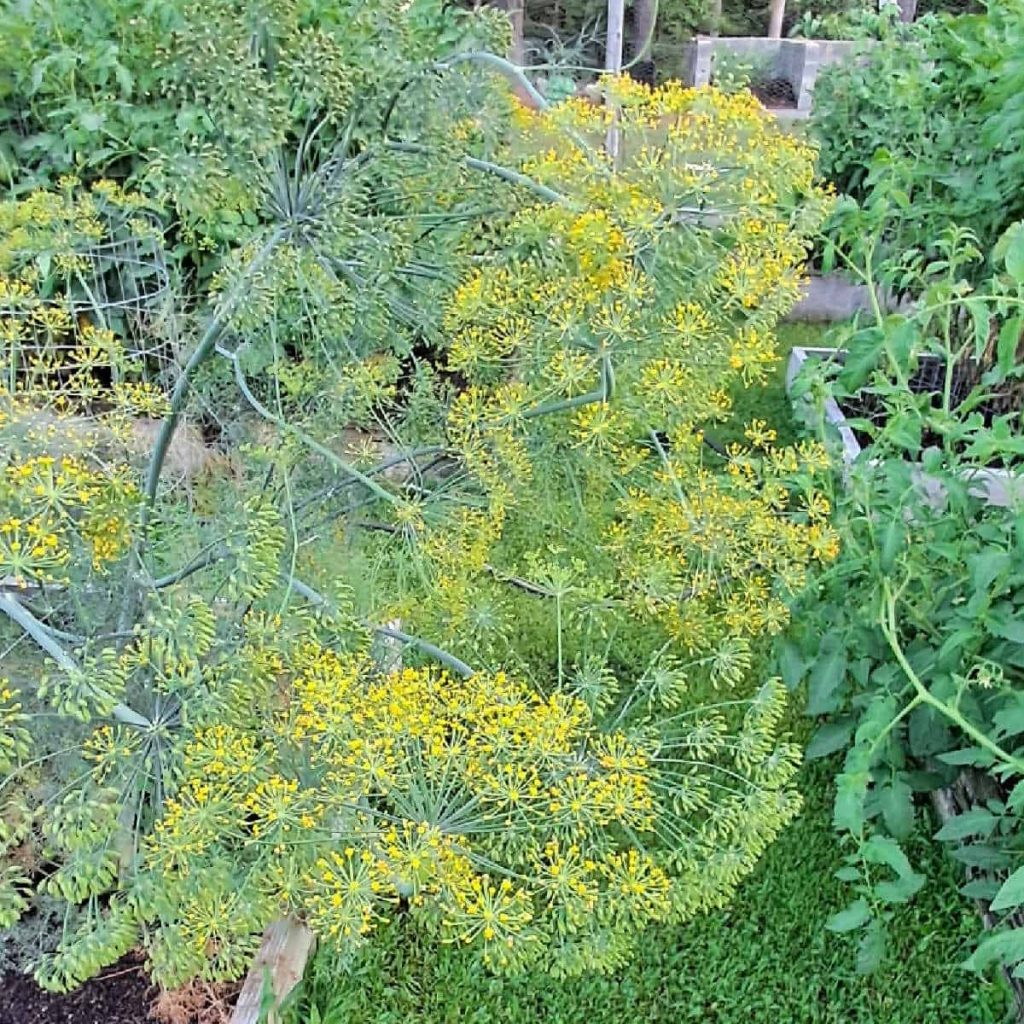
Drying herbs is an easy way to preserve your harvest. You can dry herbs without any special equipment.
Harvest and Preserve Your Bounty
As vegetables ripen, harvest them promptly to encourage continued production. If you end up with more tomatoes, peppers, or other produce than you can use right away, learn to blanch and freeze them for year-round enjoyment.
Feeling ambitious? Try your hand at canning. A trusted resource like the Ball Big Book of Preserving the Harvest is a great place to start. Be sure to use the right equipment: hot water bath canners work well for pickled and acidic foods, while pressure canners are essential for safely preserving most vegetables. If you’re new to canning, check whether your local cooperative extension office offers a hands-on safety class.
Don’t Forget to Enjoy It
With all the maintenance tasks on your July to-do list, don’t forget the best part of gardening—simply enjoying it. Take a moment to smell the roses, gaze at the stars, watch for bats at dusk, or catch and release a few fireflies. A little wonder goes a long way in making your garden a joyful place to be.
With these July gardening tips, you’ll keep your garden watered, weeded, and blooming beautifully right through the height of summer.