• Skip to primary navigation
  • Skip to main content
  • Skip to footer
Home Garden Joy
  • Home
  • How to Garden
    • Garden Pests
    • Plant Diseases
    • Raised Bed Gardening
    • Seed Starting
    • Tools & Equipment
  • Plants
    • Plant Profiles
    • Vegetables
    • Fruit
    • Herbs
  • Recipes
    • Canning and Food Preservation
  • Books & Classes
    • Books by Jeanne Grunert
    • Books for Christian Herbalists
    • Herbalism Classes
  • About
    • Privacy Policy

Getting Your Soil Professionally Tested

March 11, 2012 by Jeanne

Getting your soil professional tested saves time and money. Here’s why it’s important.
Getting Your Soil Professionally Tested

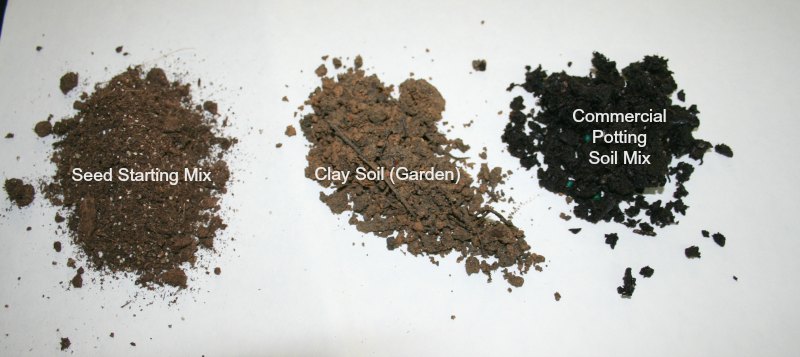
The very best thing you can do for your soil is to have it professionally tested and to talk to your local Cooperative Extension folks about the specifics of improving it.

Call your local County Cooperative Extension office for details and instructions on how to take soil samples.   There is a fee for the test, and that fee will vary from place to place, but it is well worth the money and it is not very expensive.

Why Get Soil Tests?

I had our soil professionally tested here at Seven Oaks several times. My goal with obtaining my own home pH meter is to use it on many sections of the garden that I don’t feel merit a full professional test, but that I think need some work.  Before I planted the flower gardens, I did indeed have the soil professionally tested and that helped me understand some of the challenges my garden would face.

Sometimes when I talk to the “people who kill plastic plants,” the newcomers to the world of gardening, the entire world of soil pH, soil testing and analysis and amendments to improve soil makes their eyes glaze over.  Or worse, they look at me like they’re going to panic, and they stutter, “But I don’t like all that science stuff – I just want to grow a tomato.”  The thing about soil is that you do have to know something about what you are working with so that your plants will be happy and healthy.

Know Before You Grow!

You don’t have to be a soil scientist or an expert to grow a great garden.  But it is always a good idea to let the experts help you, right? That’s what they’re there for!  So use the link above to find your local Extension office and find out more about how you can have your garden soil tested.  It’s always safe to add compost to your soil, but before you start piling on commercial fertilizer, lime, and other amendments, know what you’ve got to work with in terms of your soil. Getting your soil professionally tested saves you money before you buy a lot of amendments you may not need.
Filed Under: Home Garden Tips

Previous Post: « Exploring the World of pH Meters
Next Post: Starting a New Vegetable Garden »

Reader Interactions

Comments

  1. ~Gardener on Sherlock Street

    March 11, 2012 at

    Good follow up info. It can all seem overwhelming to new gardeners. Sometime, they just need to try first and pick up more info as they go. A local extension is a great resource.

Trackbacks

  1. How to Start a Compost Pile | Home and Garden Joy says:
    October 16, 2014 at

    […] Getting Your Soil Professionally Tested […]

  2. Backyard Gardening for Beginners – How to Start a Vegetable Garden – Home Garden Joy says:
    February 13, 2018 at

    […] quality: Get your soil tested in the spot where you plant to grow vegetables. In America, soil tests are conducted by the local County Cooperative Extension offices. They have a kit and instructions […]

  3. Why Get a Soil Test Done in the Fall? - Home Garden Joy says:
    July 25, 2018 at

    […] Soil tests offer many benefits for the backyard gardener: […]

  4. Your Guide to Soil - Home Garden Joy says:
    July 31, 2018 at

    […] Getting Your Soil Professionally Tested […]

  5. Azaleas for the Home Garden: Flowering Shrubs for Landscape Use - Home Garden Joy says:
    July 1, 2019 at

    […] commonly found close to a house. Try adding compost to the soil before planting the azalea, and consider a pH test to ensure that the soil is slightly […]

  6. Best Peony Growing Tips - Home Garden Joy says:
    July 2, 2019 at

    […] the soil during planting is a good idea, especially if you have either clay or sandy loam soil. The soil pH should be between 6.5 and 7.5 – slight […]

Footer

bamboo fountain

Buy vs. Build Your Own Garden Fountain

Are you trying to decide whether to buy or build your own garden fountain? I’ve done both, and each approach has pros and cons. I’ll unpack them for you, below, plus include links to some of my favorite products. Home Garden Joy participates in the Amazon affiliate program. We earn a small commission on product…

Read More

a wheelbarrow with bag of soil, trowel, pots and plants

Understanding Fertilizer: A Complete Guide for Home Gardeners

Understanding fertilizer is an important skill for beginning gardeners. In this guide, I’ll walk you through the basics. By the end of this article, you’ll understand fertilizer, what it is and what it does, and how to use it appropriately in the garden. Introduction: Why We Use Fertilizer in the Garden . Plants absorb nutrients…

Read More

red lettuce, mexican tarragon, and chard

The Best Organic Fertilizers

If you’ve been looking for ways to help your garden truly thrive — not just survive — organic fertilizers might just become your new best friend. They’ve become a cornerstone of sustainable gardening and farming, and for good reason: they don’t just feed your plants, they actually improve the health of your soil over time….

Read More

water droplets in sunbeams over a raised bed vegetable garden

Irrigation Tips for Home Gardens: Drip vs. Soaker Hose

Watering is one of the most essential tasks in maintaining a healthy home garden, yet it is also one of the most misunderstood. Many gardeners rely on overhead sprinklers or hand-watering, both of which can waste water and fail to deliver moisture efficiently to plant roots. Two of the most effective alternatives are drip irrigation…

Read More

  • About
  • Plant a Row for the Hungry
  • Awards
  • Privacy Policy

Let’s Connect!

  • Facebook
  • Instagram
  • Pinterest
  • Substack
  • YouTube

Copyright © 2026 Home Garden Joy on the Foodie Pro Theme