February brings a special kind of excitement for gardeners across the northern United States. While snow may still be hanging around, February is the perfect opportunity to get your hands dirty indoors. It gives you an excuse to go to your favorite garden center – you need to stock up on seeds, right? It’s definitely my favorite way of chasing away the winter blues!
Key Takeaways
- February is an ideal month for seed starting indoors, helping gardeners to get a jump on the growing season.
- Starting seeds indoors allows plants to develop strong roots and produce earlier harvests, especially for warm-season vegetables like tomatoes and peppers.
- Different USDA hardiness zones affect when and which seeds to start indoors, with each zone presenting unique challenges and opportunities.
- Key elements for successful seed starting indoors include adequate light, proper temperature, and appropriate containers for seedlings.
- Hardening off seedlings before transplanting outdoors is crucial to prevent shock and ensure healthy growth in the garden.
Table of contents
Why February Matters for Indoor Seed Starting
February is the right time in many gardening zones for vegetable gardeners to start heat-loving plants. Many vegetables need several weeks to get a head start before they can handle outdoor conditions, and starting seeds indoors during this month gives these plants exactly what they need. They develop strong roots and multiple sets of leaves before transitioning to the outdoor garden.
Some Vegetables Need a Long Headstart
When you begin seed starting indoors in February, you provide crops with a crucial advantage. Warm-season vegetables like tomatoes and peppers require 60 to 80 days to reach maturity after transplanting, so starting them early ensures they produce fruit before the first fall frost arrives. This timing becomes especially important in zones with shorter growing seasons, where every week counts.
Keep Seedlings Cozy While Weather Changes
February also helps you make the most of variable spring weather. By nurturing seedlings indoors, you protect young plants from unexpected cold snaps and temperature swings that can stunt growth or kill tender seedlings. Once conditions stabilize outdoors, your seedlings will have developed strong root systems and sturdy stems, ready to take full advantage of warming soil and lengthening days.
Indoor seed starting maximizes production potential. Plants started indoors typically grow faster and produce earlier harvests than direct-sown seeds. This extended harvest window means more tomatoes for canning, more peppers for freezing, and more fresh vegetables on your dinner table throughout the growing season.
Understanding USDA Hardiness Zones 4–8
Your hardiness zone determines when you can safely transplant seedlings outdoors, which in turn dictates when you should start seeds indoors. Each zone presents unique opportunities and challenges for February seed starting.
Zones 4 and 5
Zones 4 and 5 experience shorter frost-free periods, typically running from late May through September. Gardeners in these northern regions rely heavily on indoor seed starting because direct sowing warm-season crops outdoors simply doesn’t provide enough time for plants to mature and produce. February seed starting becomes essential rather than optional for these gardeners who want to enjoy homegrown tomatoes, peppers, and eggplants.
Zones 6 and 7
Zones 6 and 7 experience moderate growing seasons, with last frost dates typically in mid to late April. These zones offer greater flexibility, but starting seeds in February still delivers significant benefits. Plants started indoors in February will produce harvests several weeks earlier than direct-sown crops, extending your season on both ends and increasing total yields. My garden is in Zone 7, and our typical last frost date is April, though we occasionally see frost in May.
Zone 8
Zone 8 features mild winters and early spring warmth, with last frost dates often occurring in late March or early April. While some crops can go directly into the ground earlier in these regions, seed starting indoors still boosts yields and protects young plants during occasional cold spells. February remains an ideal month for starting slower-growing crops that benefit from extra time to develop.
Vegetables to Start Indoors in February (Zones 4–8)
Success with seed starting indoors depends on choosing the right vegetables for February sowing. Different crops have different timing requirements, and understanding these needs helps you plan your indoor garden effectively.
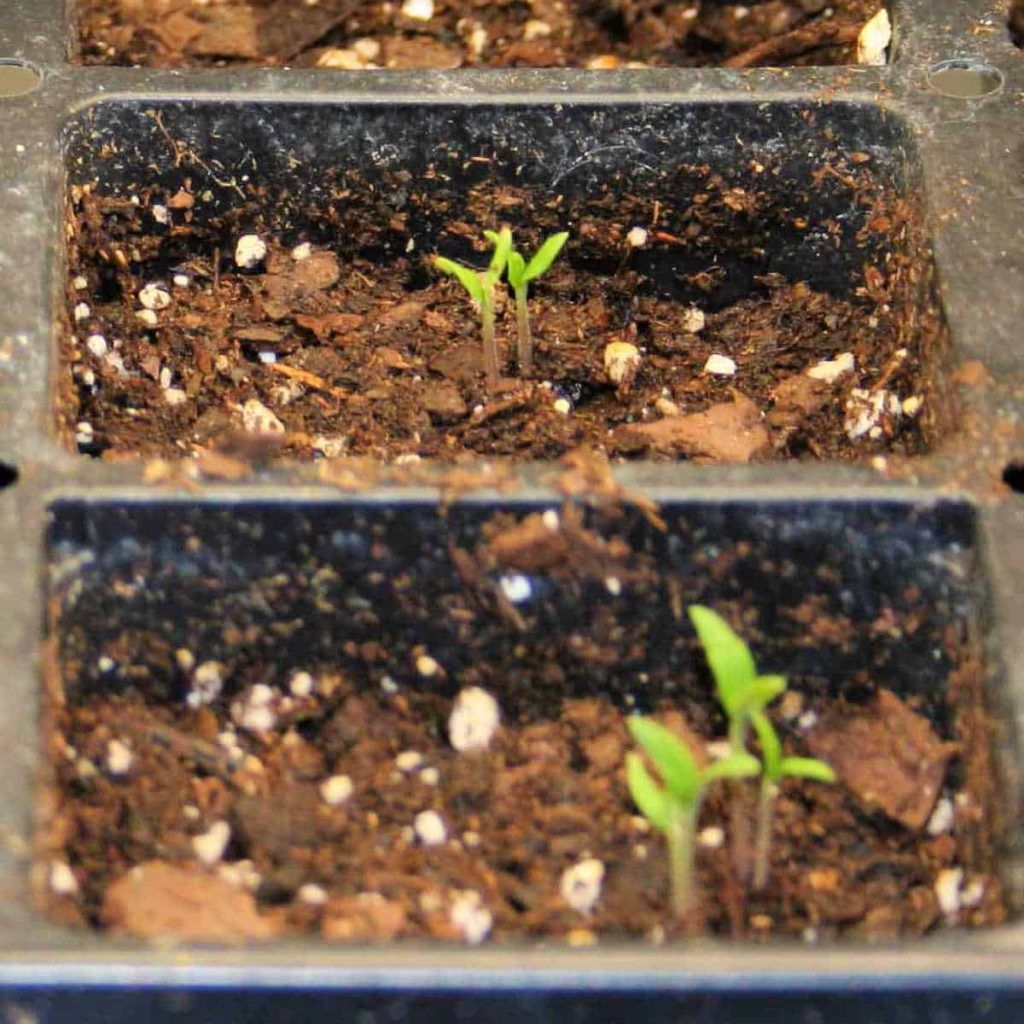
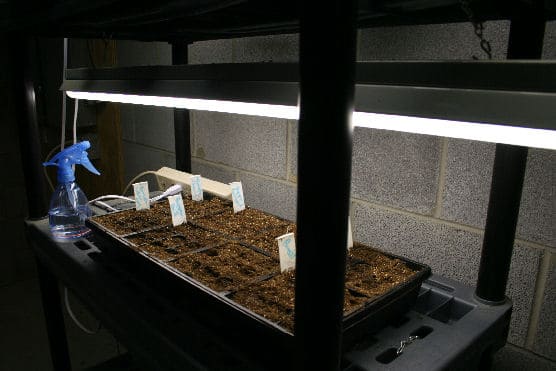
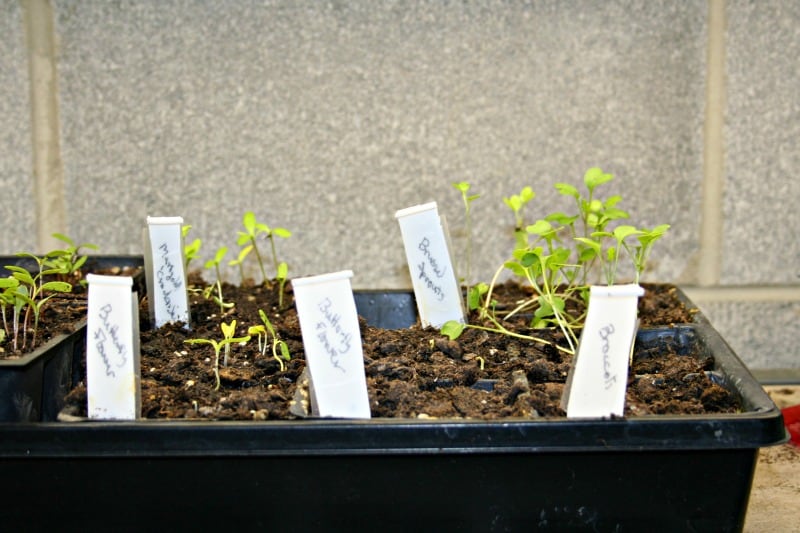
Vegetables to start indoors in February (Zones 4–8)
Warm‑season vegetables
• Peppers
• Eggplant
• Tomatoes
Cool‑season vegetables
• Broccoli
• Cabbage
• Cauliflower
• Brussels sprouts
• Kale
• Collards
Alliums
• Onions (from seed)
• Leeks
Note: I don’t recommend starting onions from seeds. It’s much easier to buy starter bulbs, called ‘sets’, and plant these directly in the ground in the spring.
Herbs
• Parsley
• Oregano
• Thyme
• Sage
• Chives
Warm-Season Crops Needing a Long Head Start
These heat-loving vegetables require warm soil temperatures and benefit from six to ten weeks of indoor growth before transplanting outdoors.
Peppers
Peppers, both sweet and hot varieties, top the list for February seed starting. These slow germinators often take two to three weeks just to emerge from the soil. Starting peppers indoors in February gives them the extended growing time they need to produce abundant harvests. Peppers benefit tremendously from heat mats during germination, and they require strong, consistent light to develop stocky stems rather than leggy, weak growth.
Eggplant
Eggplant shares similar requirements with peppers and deserves a place on your February seed-starting schedule. This warm-season crop demands consistently warm conditions throughout its growth cycle. Starting eggplant seeds indoors in February provides the long season these plants need to develop and set fruit, especially in zones 4 through 6, where outdoor growing time remains limited.
Tomatoes
Tomatoes represent the quintessential crop for indoor seed starting. Most varieties need six to eight weeks of indoor growth before transplanting. For gardeners in zones 4 through 6, early to mid-February marks the ideal starting time. Those in zones 7 and 8 can wait until late February or even early March. This timing ensures seedlings reach transplant size just as outdoor conditions become suitable, avoiding both premature outdoor exposure and overgrown, root-bound plants.
Cool-Season Crops for Early Spring Transplanting
Cool-season vegetables tolerate cold temperatures and can move outdoors before the last frost date, making them perfect candidates for February seed starting indoors.
Brassicas
Brassicas form the backbone of early spring gardens. This family includes broccoli, cabbage, cauliflower, and Brussels sprouts. These crops need six to eight weeks of indoor growth before transplanting, and they can move outdoors two to four weeks before your last expected frost. February seed starting gives brassicas the time they need to develop strong root systems while still allowing for early outdoor transplanting. These hardy vegetables actually prefer cool weather and perform best when they mature before summer heat arrives.
Kale and Collards
Kale and collards offer similar benefits with slightly faster growth rates. These leafy greens need four to six weeks indoors before transplanting. Their remarkable hardiness and reliability make them excellent choices for early spring gardens. Starting these crops indoors in February ensures you’ll harvest fresh greens by late spring, well before summer crops begin producing.
Alliums (Long-Season Bulb Crops)
Onions grown from seed represent one of the most rewarding crops for patient gardeners. These plants need ten to twelve weeks of indoor growth before transplanting, making February the prime time for seed starting in zones 4 through 7. While you can grow onions from sets, starting from seed opens up a world of variety options and often produces larger, better-storing bulbs. The extended indoor period allows onions to develop the strong root systems they need for successful bulb formation.
Leeks follow similar timing to onions and benefit from early February starts. These mild-flavored alliums can transplant outdoors quite early, and the extra growing time produces those prized long white shanks that make leeks so valuable in the kitchen.
Herbs That Benefit from Early Starts
Several herbs reward gardeners who start seeds indoors in February. Parsley stands out as a notoriously slow germinator, often taking three to four weeks to emerge. Be patient with parsley. Just when you think it won’t sprout, they do.
Perennial herbs, including oregano, thyme, sage, and chives, also benefit from February seed starting. These herbs need eight to ten weeks of indoor growth to develop into transplant-ready plants. While perennial herbs represent a longer-term investment, starting them from seed proves much more economical than buying established plants, especially if you want multiple plants or several varieties.
Key Tips for Successful February Seed Starting
Success with seed starting indoors requires attention to several critical factors. Light, temperature, containers, and hardening off all play essential roles in producing healthy, vigorous transplants.
Light Requirements
Light makes or breaks indoor seedling success. Seedlings need fourteen to sixteen hours of strong light daily to develop compact, sturdy growth. Window light rarely provides sufficient intensity, even in south-facing windows. Invest in quality grow lights positioned just a few inches above seedlings. Raise the lights as plants grow to maintain proper distance and prevent leggy, stretched growth.
Temperature
Temperature control affects both germination and growth. Heat mats provide bottom warmth that accelerates germination for warm-season crops like peppers, tomatoes, and eggplants. Most seeds germinate best at temperatures between 70 and 80 degrees Fahrenheit. After germination, seedlings generally prefer slightly cooler temperatures, around 65 to 70 degrees during the day and 60 to 65 at night. Cool-season crops tolerate even cooler temperatures.
Normally, I’m a fan of DIY, but if there is one thing NOT to DIY, it’s heat-starting seed mat. Only use heat mats marked for gardening and seed starting. Not only do they maintain the proper temperature for seedlings, but they are also waterproof. You can purchase heat mats for indoor seed starting at any home and garden center.
Seed Starting Containers
Container management ensures healthy root development. Start seeds in small containers or cell packs, but plan to pot up seedlings as they grow. Sterilize the containers in a solution of 9 parts water and 1 part bleach. Mix water and bleach and submerge the pot for 15 minutes. Remove and rinse clean. This prevents many diseases that affect seedlings.
Transplanting Seedlings
Transplanting seedlings into larger containers prevents root binding and encourages robust root system development. This step becomes especially important for crops with long indoor periods, like peppers and onions.
Hardening Off
Hardening off represents the final crucial step before transplanting outdoors. This process gradually acclimates indoor-grown seedlings to outdoor conditions. Start by placing plants outdoors in a protected, shaded location for a few hours daily, gradually increasing exposure to sun and wind over seven to ten days. This transition period prevents transplant shock and helps seedlings adapt successfully to their permanent outdoor home.
Growing Your Garden from February Forward
Seed starting indoors in February is a smart move. Your seedlings will be bigger and stronger when it’s time to transplant them in the garden. Seeds give you more choice of varieties, so you can plant heirlooms or your long-time favorites with ease.
Perhaps more importantly, it satisfies your green thumb when winter seems never-ending. There’s really nothing like seedlings – and the promise of spring – to brighten a cold February day.
Frequently Asked Questions
No. Although they’re recommended, you can successfully start and grow seedlings under fluorescent lights. I’ve used them for years. They are less expensive, easier to set up, and the seedlings do just fine with them. However, as the plants mature, they will need full-spectrum light. If you move the seedlings outside, they are fine. 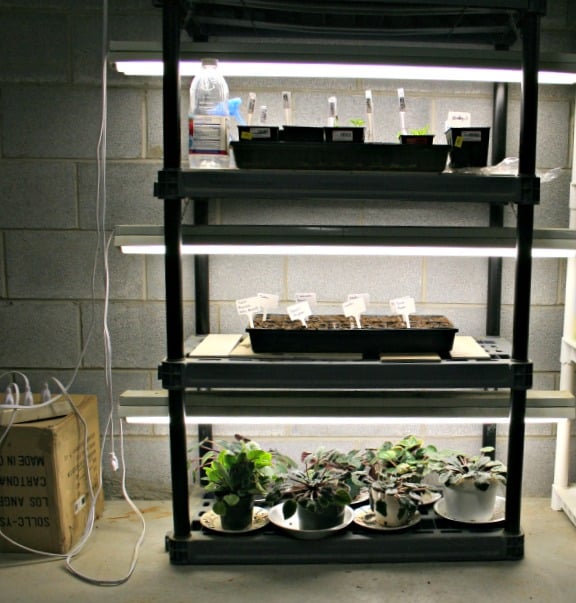
Look for special seed starting mixtures available at your local garden center. They contain a mix of fine soil, vermiculite (the white bead-like things in the mix), and nutrients to help your seedlings thrive. The light soil mixture is perfect for starting seeds.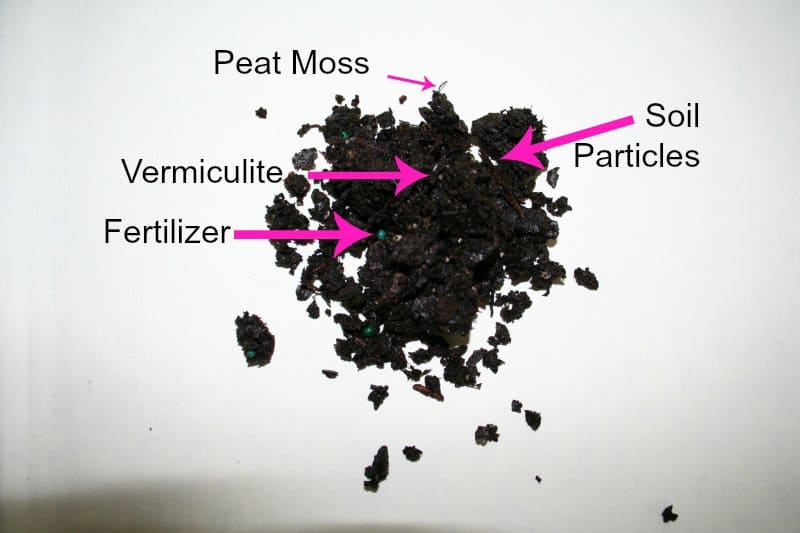
If you look at the picture I have in the article, you’ll see a simple solution: a spray bottle. I use a clean spray bottle, kept solely for gardening, to mist the tops of the seed-starting trays several times a day to keep them moist. Once the seeds germinate (sprout) you can water as usual with a small watering can, the kind you use to water house plants.
No. Many crops, like lettuce (cool season), cucumbers (warm/hot season), prefer their seeds to be planted directly into the soil at the appropriate time. Starting them indoors offers no advantage and may actually be disadvantageous.