
When it comes to gardening, one of the common questions that arise is whether or not it is possible to use old seeds. Many gardeners find themselves with leftover seeds from previous years or come across old packets in their storage. The question then becomes, can they still be used to grow healthy and vibrant plants? In this article, we will explore the lifespan of seeds, how to properly store them, and how to conduct a germination test. So, before you toss those old packets aside, discover if they still have a place in your garden.
How Long Do Seeds Last?
Seeds, like all living organisms, have a lifespan. However, this lifespan can vary greatly depending on the type of seed and how it is stored. Some remain viable for just a few months, while others can last for several years. Understanding the lifespan of seeds is essential in determining if they can still be used in your garden.
Seeds are living organisms that contain the genetic material necessary for a plant to grow. Over time, the viability diminishes, meaning it becomes less likely to successfully germinate and grow into a healthy plant. The rate at which they lose their viability depends on several factors, including the type , age, and storage conditions.
Properly stored seeds can retain their viability for a longer period. They should be stored in a cool, dry place to minimize the effects of moisture and temperature fluctuations. For most common garden vegetables, such as tomatoes, peppers, and lettuce, the average lifespan of seeds is around 1-3 years if stored correctly. However, some types, like onions and parsnips, have a shorter lifespan of around 1 year.
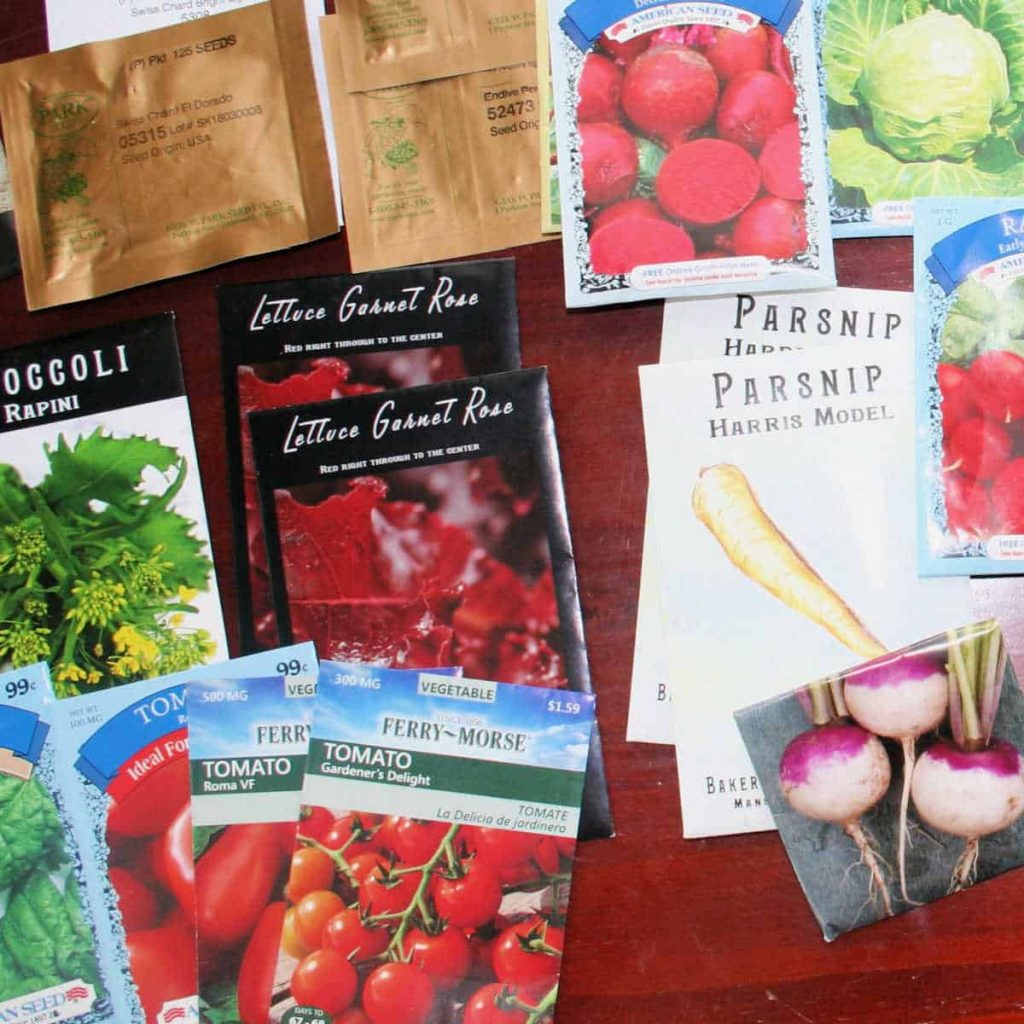
Three Reasons to Discard Old Seeds
- Opened Packages: Some seeds have a poor germination rate once the package is opened. Always store in a cool, dark place to maintain freshness and enhance potential germination rates.
- Plants You No Longer Grow (or that grew poorly in your garden). If you tried certain vegetables or varieties in years past and they grew poorly, it may not be worthwhile to keep them.
- Expired: Seeds may be viable for up to five years. Usually, seeds with expiration dates of one to two years in the past will still germinate.
How to Store Garden Seeds
To maximize the lifespan of your seeds and increase the chances of successful germination, proper storage is crucial. Here are some steps you can take to ensure your seeds remain viable for as long as possible:
- Keep them cool: Store your seeds in a cool location, ideally between 32-41°F (0-5°C). Avoid exposing them to extreme temperatures, such as in a hot attic or freezing garage.
- Keep them dry: Moisture is the enemy of seeds. Ensure your seeds are stored in a moisture-free environment by using airtight containers or resealable bags with silica gel packets to absorb any excess moisture.
- Keep them dark: Exposure to light can also affect viability. Store your seeds in opaque containers or envelopes to protect them from light.
- Label and organize: Properly label and organize packets to easily identify and track their age. Use waterproof markers or labels to prevent them from smudging or fading over time.
By following these storage guidelines, you can increase the likelihood of successful germination.
Signs of Spoiled Seeds
Before you plant your old seeds, it’s essential to inspect them for signs of spoilage. While some may remain viable for several years, others may deteriorate and become unusable. Here are some signs to look out for:
- Mold or fungal growth: If you notice any mold or fungal growth on the seeds or inside the packet, it is a clear indication of spoilage. Mold can inhibit germination and lead to the death of the seedlings.
- Discoloration or shriveling: Healthy seeds are usually plump and have a consistent color. If you notice any discoloration or shriveling, it is a sign that they have lost their viability.
- Unpleasant odor: Spoiled seeds may emit a foul or musty odor. If your seeds have an unpleasant smell, it is best to discard them.
- Pest damage: Inspect for any signs of pest infestation or damage. Insects or rodents may have compromised them, making them unsuitable for germination.
By carefully examining your old seeds for these signs, you can determine if they are still usable or if it’s time to invest in new ones.
How to Do a Germination Test
If you’re uncertain about the viability of your seeds, you can perform a germination test to assess their ability to sprout. This simple test will give you a good indication of whether or not the seeds are still viable. Here’s how to conduct a germination test:
- Gather your supplies: You will need a few paper towels, a resealable plastic bag, and the seeds you wish to test.
- Moisten the paper towels: Dampen the paper towels with water, ensuring they are moist but not dripping wet.
- Arrange: Place a few seeds on one half of the paper towel. Make sure to space them out to allow room for growth.
- Fold and seal: Fold the paper towel over the seeds, enclosing them securely. Place the folded paper towel inside the resealable plastic bag and seal it.
- Create a mini-greenhouse: Place the bag in a warm location, such as on top of the refrigerator or near a heat source. The warmth will help promote germination.
- Monitor and wait: Check regularly to see if they have germinated. Depending on the type this can take anywhere from a few days to a couple of weeks.
- Record the results: After the germination period, count the number of seeds that have sprouted. This will give you a percentage of germination rate.
By conducting a germination test, you can determine the viability of your seeds before planting them in your garden. If the germination rate is low, it may be best to purchase fresh ones to ensure a successful growing season.
More Resources for a Great Garden This Year
How to Disinfect and Clean Seed Starting Trays
I just did this too. Something new always gets on the list.
Good information. I have had mixed success with old seeds, some have done great and some not so much.
Great info – so many times the home stores tell you that you can’t because they want to sell more. I learned long ago, that they can sometimes be used later. 🙂 #HomeMattersParty