• Skip to primary navigation
  • Skip to main content
  • Skip to footer
Home Garden Joy
  • Home
  • Gardening
    • Butterfly Gardens
    • Home Garden Tips
    • Seed Starting
    • Compost and Fertilizer
    • Raised Bed Gardening
    • Tools & Equipment
    • Pests & Problems
  • Plants
    • Plant Profiles
    • House Plants
    • Vegetables
    • Fruit
    • Herbs
    • Growing Flowers
  • Garden to Table
    • Easy Recipes
    • Canning and Food Preservation
  • Seasonal Living
    • Home for the Holidays
    • Birds and Wildlife
    • Vintage Finds
  • Shop
    • Books for Christian Herbalists
    • Herbalism Classes
    • Books by Jeanne Grunert
  • About
    • Privacy Policy

Raised Bed Vegetable Garden Must-Do Fall Garden Tasks

November 10, 2016 by Jeanne

These fall garden tasks for the raised bed vegetable garden will get your garden ready for winter. They will also make your spring garden prep easier in a few months.

Fall Garden Tasks: Raised Bed Vegetable Gardening

One of the benefits of raised bed vegetable gardens is that they tend to warm up faster in the spring, and stay warmer in the fall. This means that you can extend the gardening season for a few weeks (if you are lucky.)

My own raised bed vegetable garden tends to follow this general rule. In the fall, even a brief frost doesn’t stop the whole garden. Leafy greens, like my Swiss chard bed, are unaffected. Only the very tender vegetables like tomatoes and peppers are finished when Jack Frost comes to visit.
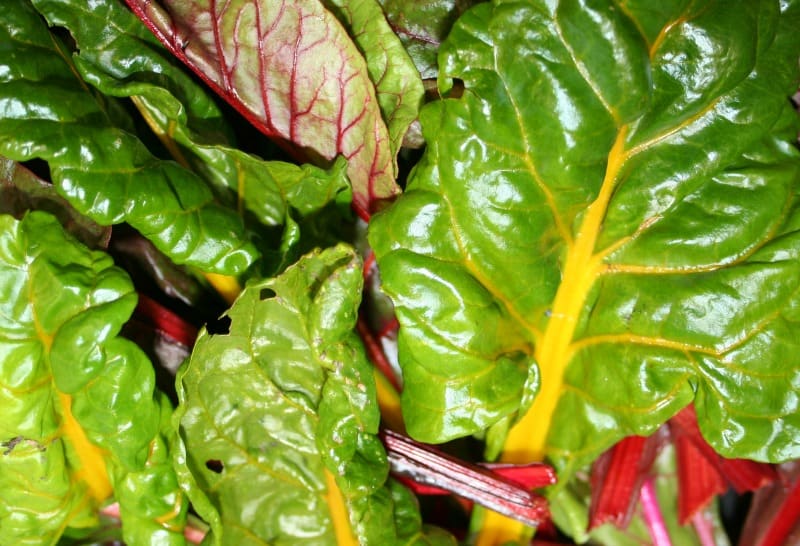
swiss-chard
Chard isn’t usually affected by a frost.

To prepare your garden for the winter, these fall gardening tasks are essential. They will prevent diseases and may reduce the risk of insect damage in the spring.

Fall Gardening Tasks in the Raised Bed Vegetable Garden

  • Remove all dead plants. I throw out spent vegetable plants. This prevents diseases and insect eggs from getting into the compost pile. If the compost piles heat up, you don’t have to worry too much; the heat destroys the disease organisms and insects. But if it doesn’t, you could end up sowing diseases and bugs in the spring when you mix in your compost. Who wants that?
  • Clean and put away garden stakes, supports, and tomato cages. I stack mine outside in the winter because I don’t have enough space in the shed or garage. Make sure you pull off any plant material from the supports.
  • Clean your garden tools before you put them away. Do you see the dirt clinging to the tools in the picture with this article? That dirt can encourage rust. Save your tools. Clean them with a rag or hose them down and let them dry before storing them for the season.
  • Save seeds. If you save plant seeds, now is the time to dry and save them in a dark place. Put them in an envelope or paper bag. Cans and plastic containers can be too damp.
  • Mulch strawberries and asparagus. Any perennial vegetables and fruits should be mulched with clean hay or pine straw (pine needles) to prevent the plants’ crowns from freezing. Strawberries and asparagus should be mulched for healthier plants.
  • Check your raised beds, especially the corners, where the wood can rot or pull apart. Fixing the rotted boards now is easier than repairing a bed frame that completely breaks down after a winter of heavy snow.
  • Mow the paths one last time if you have grass paths like I do. This keeps the grass trim before it goes dormant.
  • Clean and put away the lawn mower. Follow the manufacturer’s directions for storing electric or gas mowers.

Fall is the time to relax and rejoice in a productive season. If you take good care of your raised bed vegetable garden, it will take good care of you next spring and be ready for your vegetable plants.
  • The Most Important Fall Gardening Task of All
  • Five Fall Gardening Tasks to Do Now
  • Vegetable Garden Takes Shape
  • Last Minute Fall Garden Clean Up
  • Mid September Garden Tasks

Filed Under: Raised Bed Gardening

Previous Post: « Is It Safe to Eat Fresh Garden Vegetables After a Frost?
Next Post: Christmas Cactus Care »

Footer

a red knockout rose

June Gardening Tips: Everything You Need to Do in Your Garden This Month

I’m sharing these June gardening tips for gardening zone 7B. However, you can easily adapt them to your gardening zone. June is one of those months that feels like there’s so much to do in the garden you don’t know where to start. Fortunately, nature gives you extra-long days and plenty of sunshine! Whether you…

Read More

watering can with plants

Growing Ginger in the Home Garden

Growing ginger is fun. I was surprised to learn that I could grow ginger in Zone 7B, central Virginia. I attended a lecture by Ann Codrington of Nisani Farms several years ago. She discussed growing both ginger and turmeric. Her farm is in Maryland, but I discovered that both plants can be grown in both…

Read More

borage flower

Companion Planting with Herbs: Your Secret Weapon for a Healthier, Happier Garden

Every summer, without fail, I plant basil at the end of the raised beds. These are the beds filled with Roma tomatoes, the ones we harvest by the bushel to make our salt-free organic tomato sauce. My tomatoes thrive. “Did you know that basil repels aphids?” an organic gardener friend mentioned to me casually one…

Read More

a vintage folk art weather house which accurately predicts the weather

The Folk Art Weather House

I’ve loved this little folk art weather house all my life. It still makes me smile. What gardener doesn’t need to know the weather? I grew up with many German relatives. Thank-you notes were written to “Oncle Ludwig” and “Tante Marie.” During visits to their homes, I was fascinated by the little folk art German…

Read More

  • About
  • Plant a Row for the Hungry
  • Awards
  • Privacy Policy

Let’s Connect!

  • Facebook
  • Instagram
  • Pinterest
  • Substack
  • YouTube

Copyright © 2026 Home Garden Joy on the Foodie Pro Theme